
Roche, the developer of experimental peptide enicepatide, said on September 22, 2026, that the compound lowered blood sugar and body weight in a Phase 2 trial of 447 adults with type 2 diabetes and overweight or obesity.[1][2] In the highest study group, average body weight fell 15.5 percent and HbA1c, a measure of average blood sugar, fell 2.65 percentage points after 48 weeks.[1] The results extend earlier research on the compound in people without diabetes, although Roche has released only a summary of the new study so far.[1][4]
Buy 1, Get 1 Free
Pick any research compound. The second one is on us.
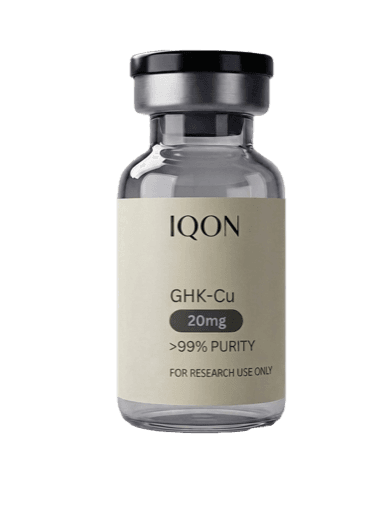
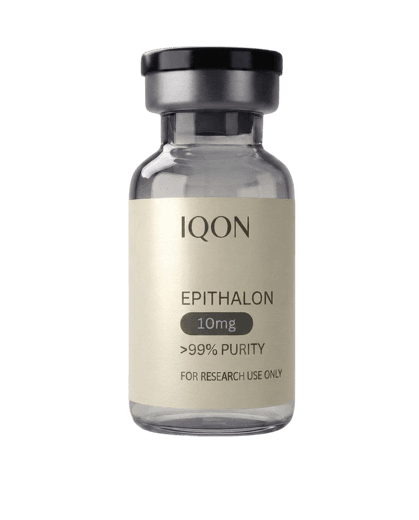
Applied automatically at checkout, no code needed
Claim my free vial →Lower priced item free; accessories excluded. For research use only.
Enicepatide is an investigational compound. The IQON catalog placement is separate from the clinical research reported here.
Inside the Phase 2 trial
The randomized, double blind study, called CT-388-104 and registered as NCT06628362, assigned participants to placebo or one of four enicepatide groups.[1][2] It followed changes in both body weight and HbA1c, so the glucose result was a central part of the test rather than an incidental observation about weight loss.[1][2] Enicepatide also appears in older research under the name CT-388.[2][4]
A blood sugar change alongside weight loss
HbA1c describes the share of hemoglobin carrying attached glucose and gives a view of blood sugar over roughly the preceding two to three months.[1] Unlike the weight figure, which describes a relative change in body mass, the HbA1c result is an absolute change in percentage points: Roche reported a starting average of 8.1 percent and a decline of 2.65 points in the highest group by week 48.[1] Among participants in that group who began with HbA1c above 8.5 percent, the company reported an average decline of 4.13 points.[1]
Roche says 90 percent of the highest group reached an HbA1c at or below 6.5 percent and 62 percent reached a value below 5.7 percent at week 48.[1] These laboratory readings describe one point in the study, not permanent diabetes remission or evidence that participants could stop other care.[1]
The trial was more specific than a study of everyone with diabetes. The public registration required participants to have type 2 diabetes, a body mass index of at least 25 and an HbA1c between 7 and 10.5 percent at entry.[2] It allowed management through diet and exercise alone, metformin or a class of diabetes medicine called an SGLT2 inhibitor, either singly or in permitted combinations.[2] Recent use of several other glucose lowering drugs or weight loss treatments was excluded.[2] These criteria define the population to which the trial's results most directly apply.[2]
The comparison still needs its numbers
Roche described the highest group's 15.5 percent weight change and 2.65 point HbA1c change, but did not publish the corresponding average changes in the placebo group or detailed results for the other three active groups in its announcement.[1][3] A result within one group is not the same as the difference between groups in a randomized trial. Without those figures, the public cannot calculate the treatment effect or inspect the shape of the dose response from this release alone.[1][3] The announcement also provides no confidence intervals or numerical significance tests for these changes, leaving their statistical uncertainty unquantified in the public summary.[1]
There is also a timing difference between two public descriptions of the study. Roche calls the changes in body weight and HbA1c at week 48 its two primary outcomes.[1] The ClinicalTrials.gov record lists those same measures at week 36 as primary and the week 48 measures as secondary.[2] That public record was last updated June 24, before the September announcement, and had no posted results at the September 27 registry check.[2] The documents do not explain the difference. A full report should show both time points and clarify which analysis was specified as primary.[1][2]
A different way of activating familiar receptors
Enicepatide acts on two receptors, GLP-1 and GIP, involved in the body's response to food and in regulating blood sugar.[4] When a receptor receives a signal, the cell can draw it inward and reduce its response.[4] Enicepatide was engineered to favor the signaling path while limiting the recruitment of a protein involved in that inward movement.[4] Researchers hope this design will prolong its effects, but the cellular behavior does not establish superiority over another drug in people.[4]
A published paper examined the receptor behavior in cells, tested the compound in animals and reported an earlier Phase 1 trial in people without type 2 diabetes.[4] Its authors acknowledged that the clinical consequences of this particular signaling pattern remain uncertain.[4] The newly announced 447 person diabetes trial is a separate study.[1][4]
Roche reports that gastrointestinal effects were the most common adverse events in the diabetes trial and were mostly mild or moderate.[1] Across all active groups, 2.0 percent discontinued because of adverse events, compared with none in the placebo group.[1] That figure counts people who stopped, not everyone who had a symptom. A full breakdown by group and event type would provide a clearer picture of tolerability.[1]
Roche says it is pursuing larger enicepatide studies and plans a Phase 3 program focused on blood sugar control.[1] A complete account of the registered week 36 outcomes, the week 48 results and the adverse events in each group would show how the reported changes compare with placebo.[1][2]
Frequently asked questions
Who was blinded to the study assignments?
The registry lists participants and investigators as masked to the assigned study groups. This is the double blind design described in the announcement. The public summary does not explain whether anyone assessed how well that masking held during the trial.
Do these results show that enicepatide prevents heart attacks or strokes?
The reported outcomes concern body weight and blood sugar. They do not establish a reduction in heart attacks or strokes. Roche says it plans separate cardiovascular outcomes trials, which would address a different question.
Sources and further reading
Related reading
Buy 1, Get 1 Free
Pick any research compound. The second one is on us.
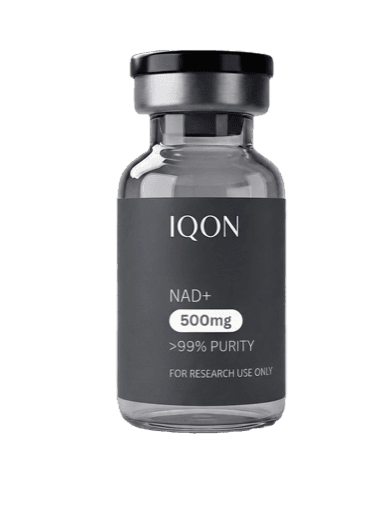
Applied automatically at checkout, no code needed
Claim my free vial →Lower priced item free; accessories excluded. For research use only.