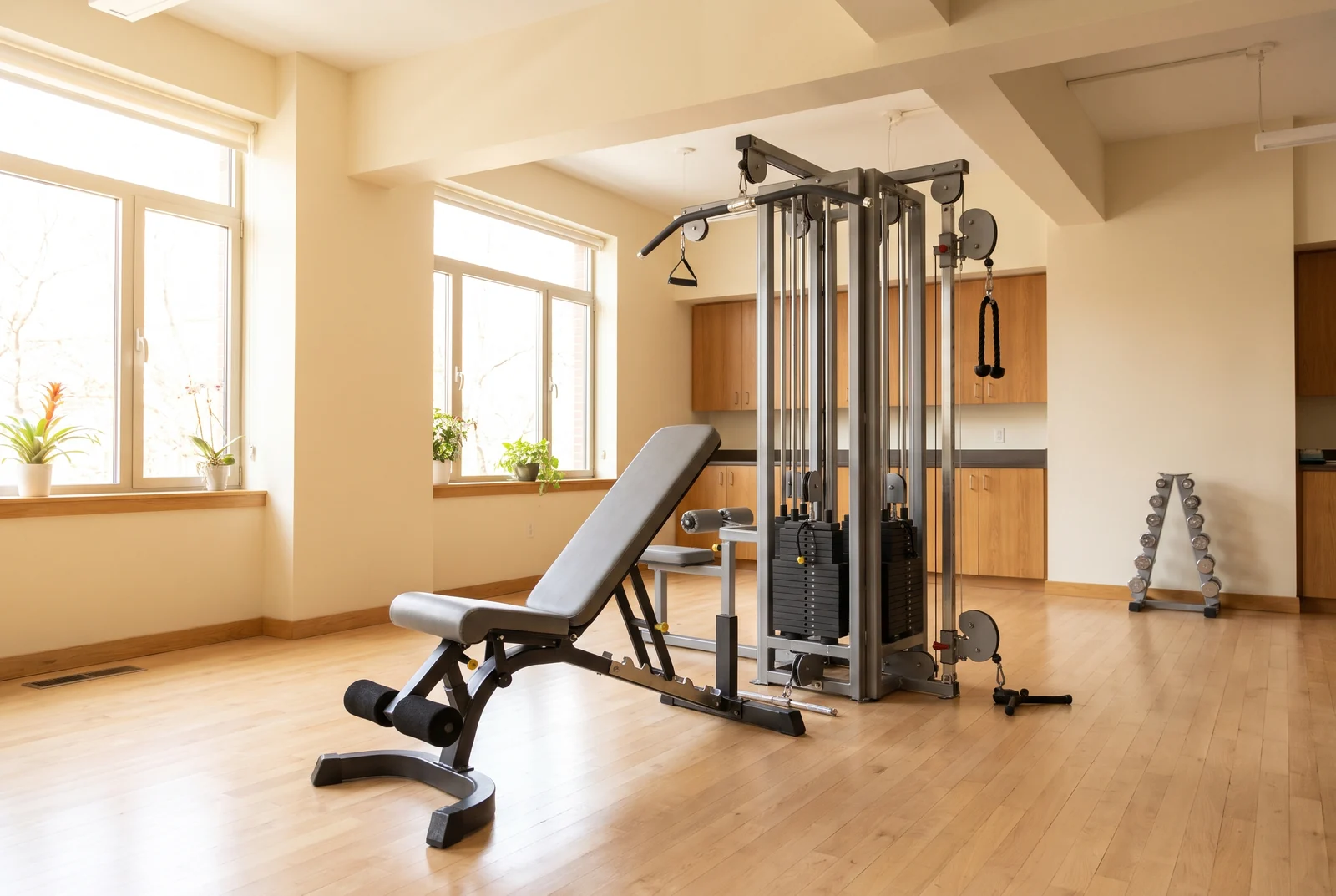
AI generated editorial illustration of an exercise science room, not a photograph of the T-REx trial site.
Clinical research·6 min read
Tirzepatide trial: resistance exercise improved strength while limiting lean tissue loss
In a 40 week randomized trial, resistance exercise improved strength and reduced lean tissue loss during tirzepatide treatment, despite similar weight loss.
November 12, 2026
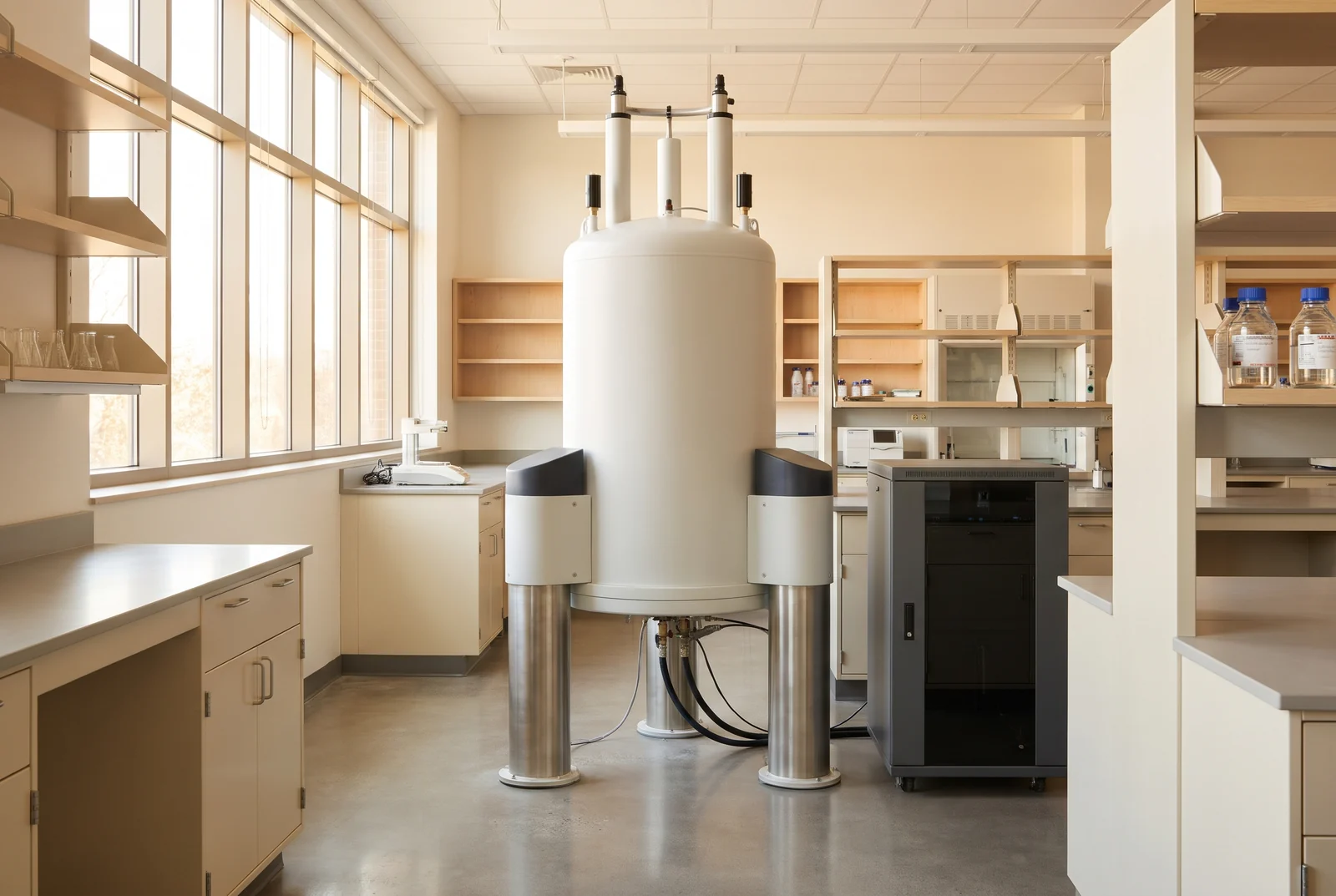
AI generated editorial illustration of an NMR laboratory, not a photograph of a particular facility or a verified instrument model.
Analytical science·6 min read
Peptide NMR: how a spectrum becomes a structure
NMR connects peptide signals to local chemical environments and spatial constraints. Learn why structural models, ensembles and purity measurements differ.
November 12, 2026
AI generated conceptual illustration of a wet ribbon, not elastin itself, a molecular structure or the computational study’s apparatus.
Materials science·6 min read
Why water helps elastin spring back
A new elastin simulation separates water and protein entropy. Why hydration helps explain recoil, and how the fragment model builds on experiments.
November 10, 2026
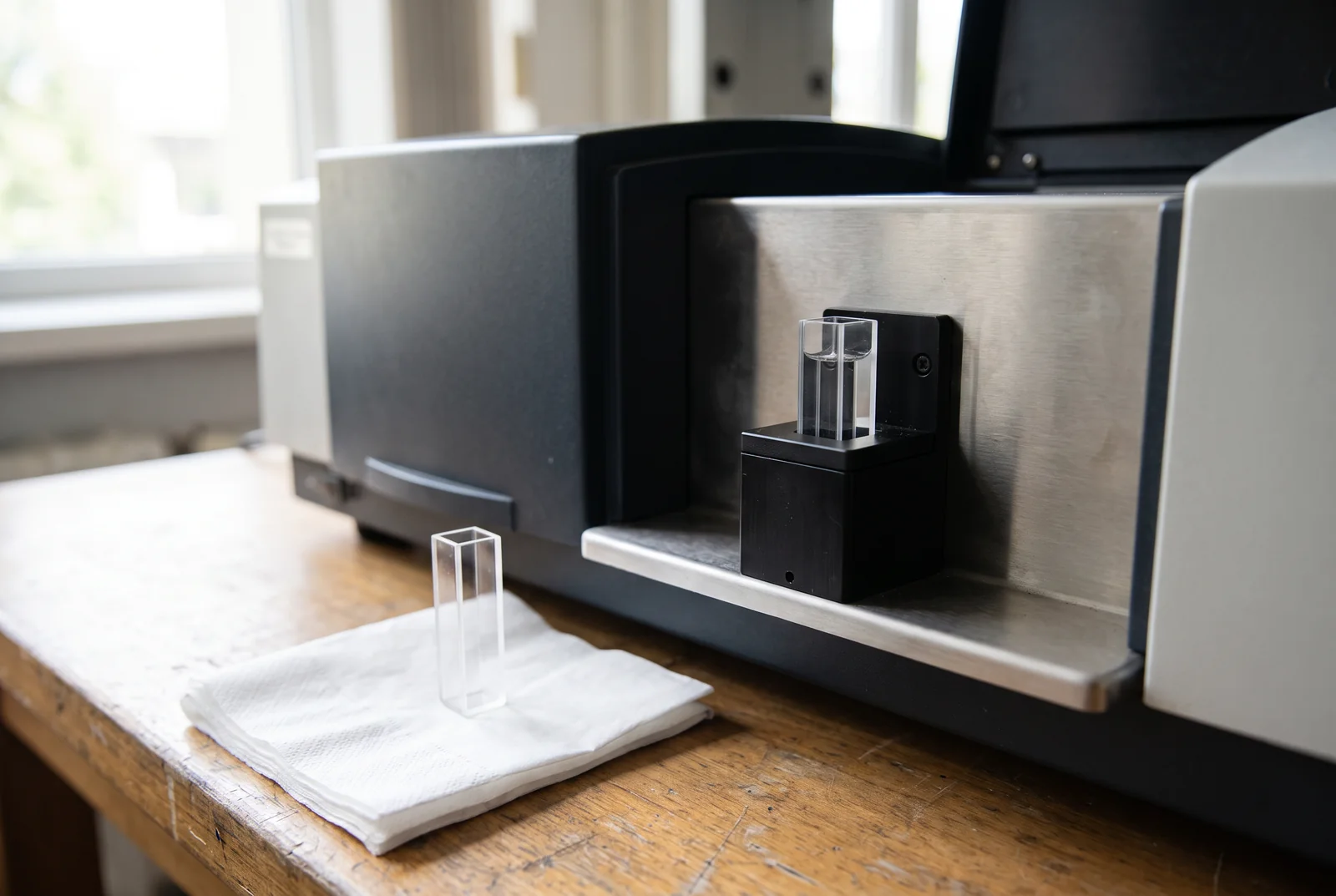
AI generated illustration of an optical cuvette and laboratory instrument, not a photograph of a specific experiment or a verified instrument model.
Analytical science·6 min read
Circular dichroism: what a peptide’s curve reveals about its shape
Circular dichroism helps estimate peptide secondary structure. Learn what helix and sheet signals mean, why reference data matter, and what a curve cannot reveal.
November 10, 2026

AI-generated conceptual editorial illustration of antibody and peptide teaching props, not an argenx or UNP facility or validated molecular structures.
Biotech business·5 min read
Argenx adds peptide discovery to its immunology plans with UNP deal
Argenx agrees to acquire Unnatural Products. What its macrocyclic peptide platform adds to antibody discovery, and how the proposed deal builds on their collaboration.
November 9, 2026

AI-generated conceptual editorial illustration of three receptor teaching props, not actual receptor or retatrutide structures or a clinical trial scene.
Clinical science explained·6 min read
What is retatrutide? The triple agonist and its trials explained
Retatrutide is Lilly’s investigational triple receptor agonist. Understand its mechanism, TRIUMPH and TRANSCEND trials, comparisons and current approval status.
November 9, 2026
AI-generated editorial illustration of a gas-responsive gel concept, not a photograph of the experiment or a validated apparatus.
Materials science·6 min read
Peptide coatings turn CO2 into a color signal
Short peptide coatings make gold nanoparticles respond to CO2. A new study carries their color change into hydrogels that can be patterned and reset.
November 8, 2026

AI-generated editorial illustration of a conceptual teaching model, not an experimentally resolved molecular structure or a depiction of the two-chain study model.
Peptide chemistry·6 min read
Peptide stapling: how a chemical bridge helps hold a helix
Peptide stapling joins selected positions with a chemical bridge. Learn how placement, linker length and the target-facing surface shape a useful peptide helix.
November 8, 2026
AI generated editorial illustration, not the study apparatus or a validated instrument design.
Analytical science·6 min read
Peptide mapping gets faster by skipping chromatography
A new direct infusion method compared 275 antibody samples in about 12 hours. How faster peptide mapping works and where it fits in research.
November 7, 2026
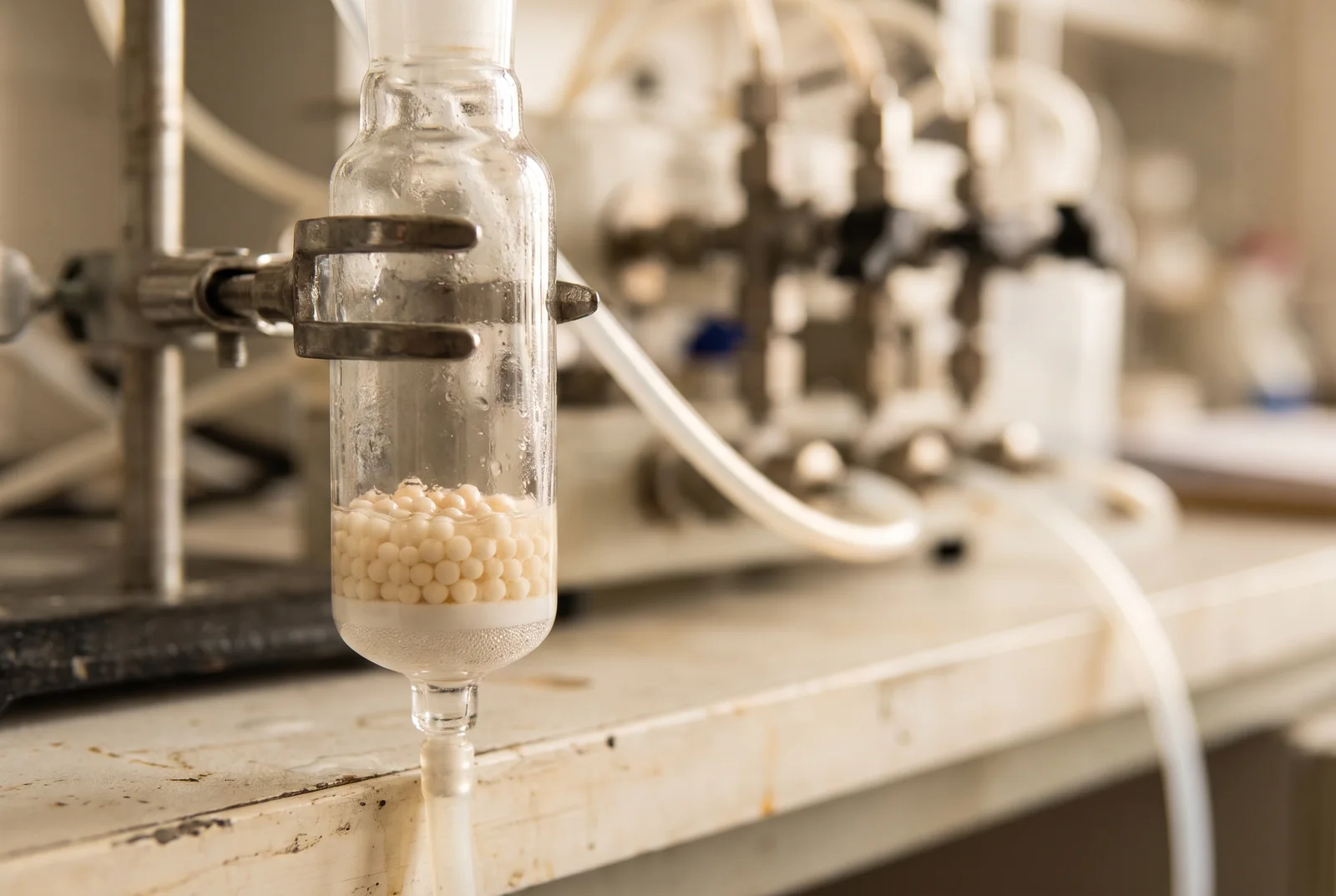
AI generated editorial illustration of synthesis equipment, not the cited experiments or a validated apparatus.
Peptide chemistry·7 min read
How solid phase peptide synthesis builds a chain, one bond at a time
Solid phase peptide synthesis builds chains on a resin. Follow the coupling cycle, understand missing residues, and see why purification comes afterward.
November 7, 2026
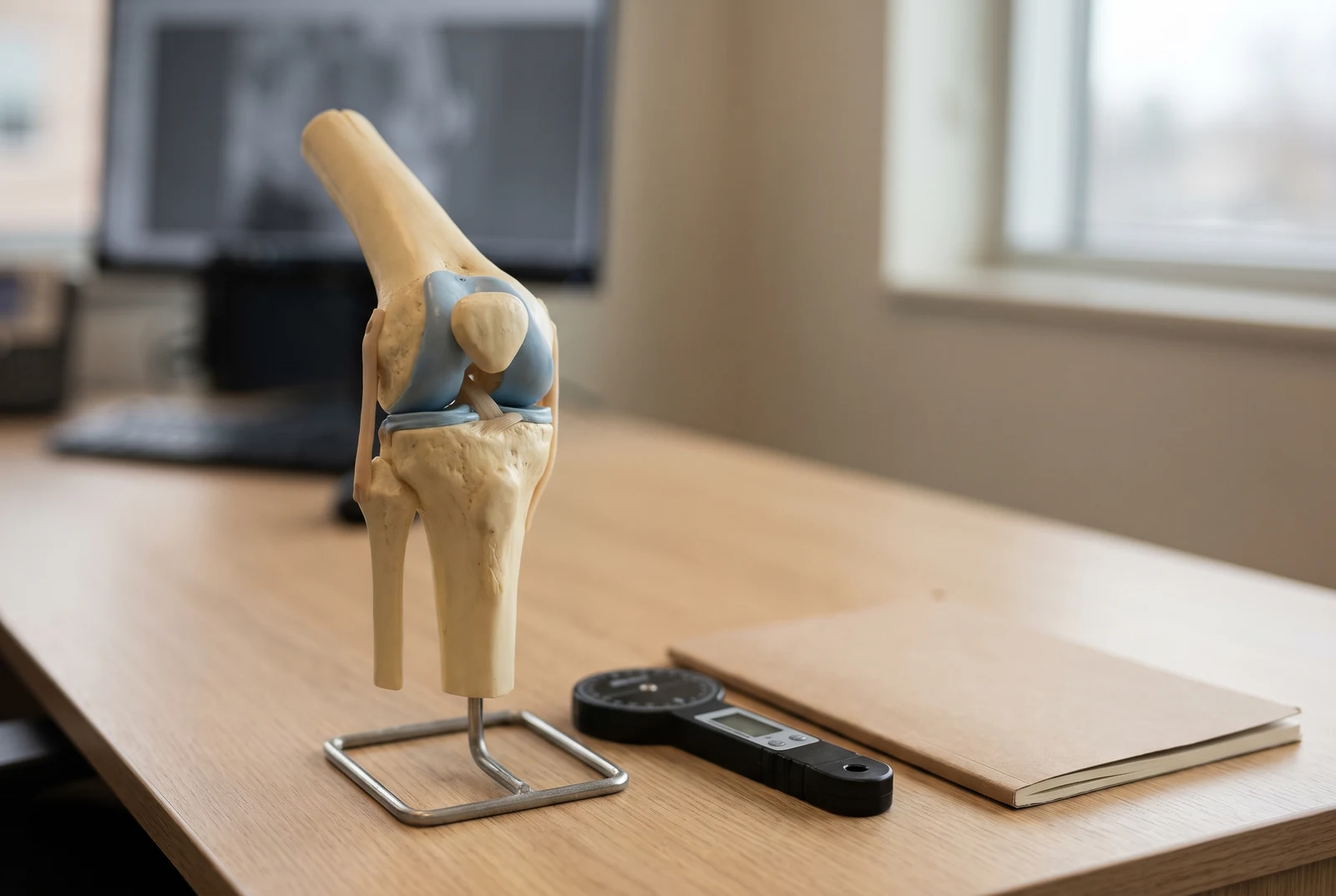
AI generated editorial illustration, not a photograph of the trial or a validated anatomical model.
Clinical research·6 min read
Retatrutide eased knee osteoarthritis pain in TRIUMPH 4
The TRIUMPH 4 trial found about two points more knee pain improvement with retatrutide than placebo at 68 weeks. What the ACR abstract shows.
November 6, 2026
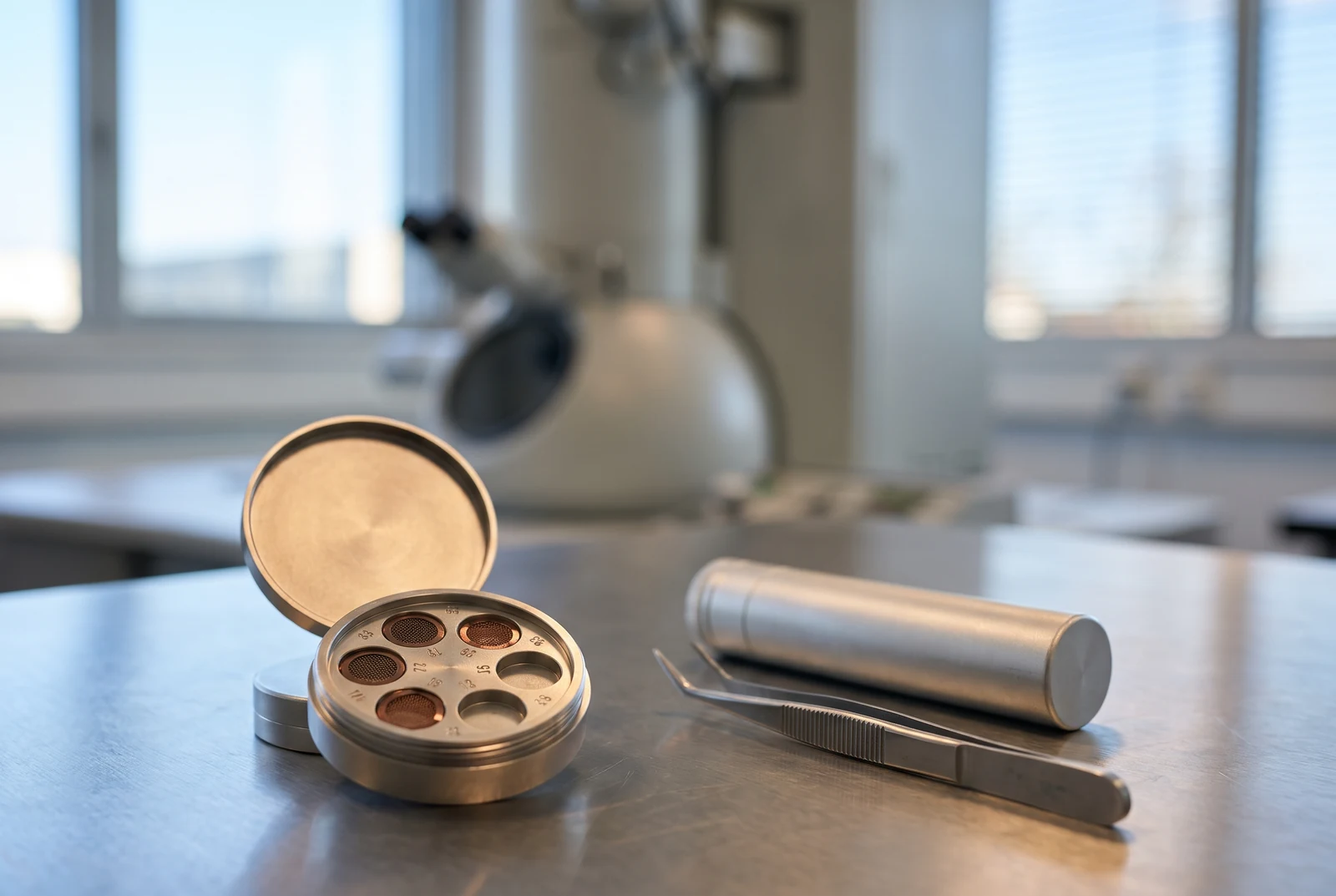
AI generated editorial illustration of microscopy equipment, not the study apparatus or a validated instrument design.
Materials science·7 min read
How nine amino acids build peptide fibers with water channels
Peptide self assembly links short amino acid chains into ordered fibers and hydrogels. A honeycomb study reveals how sequence controls water channels.
November 6, 2026

AI-generated editorial illustration of a desk where advertising copy is reviewed, not a photograph of the cited decision or of any company office.
Regulation and safety·6 min read
Why "personalized" compounded tirzepatide claims failed a Lilly ad challenge
An advertising review panel told Good Life Meds to drop personalized and health benefit claims for its compounded Tirzepatide+ product. What the record shows.
November 5, 2026
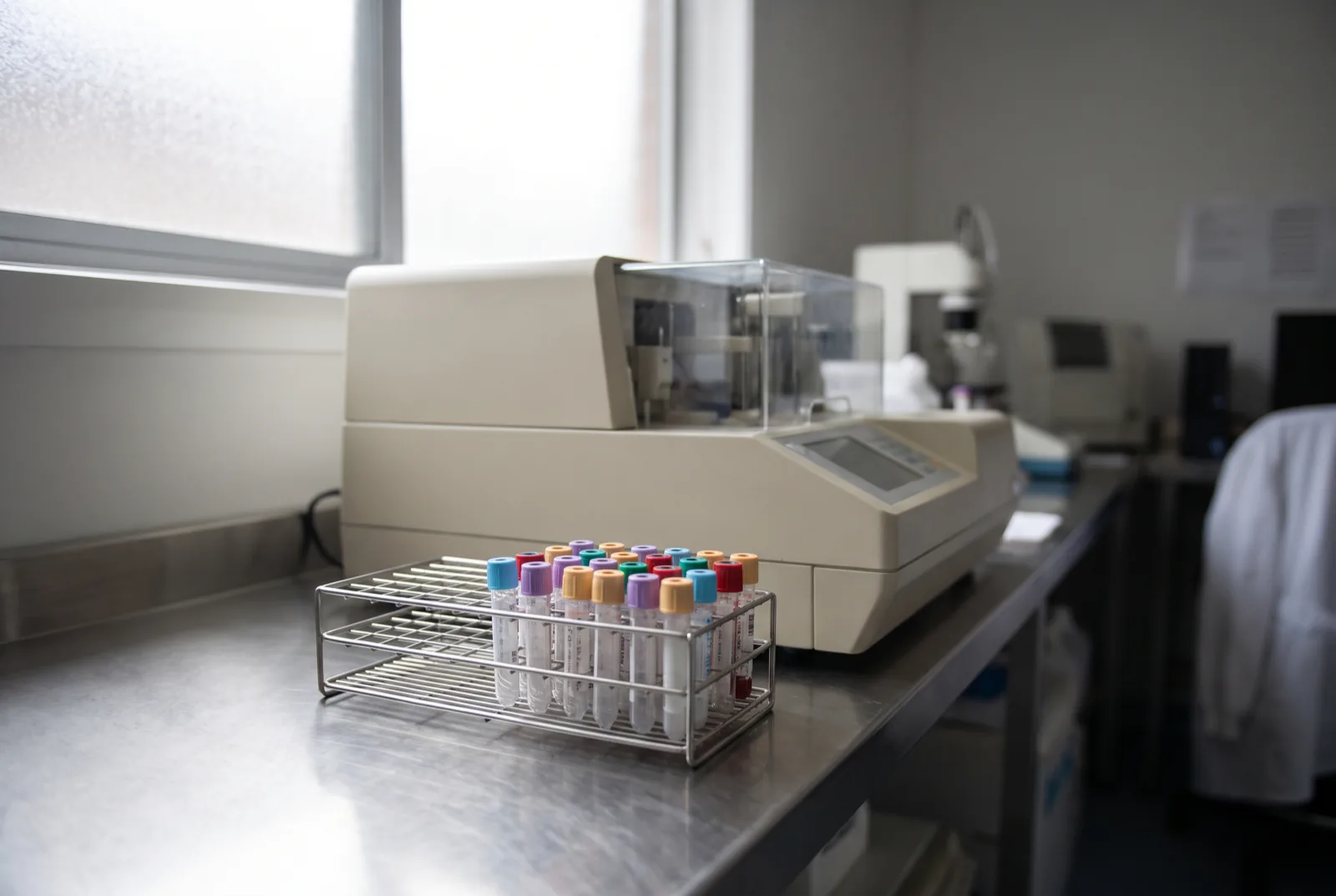
AI-generated editorial illustration of a clinical laboratory bench, not a photograph of a named laboratory, instrument or study result.
Research explainer·8 min read
Ipamorelin research: what the human studies actually show
Two small human studies, a failed endpoint and a two-death safety file. What the evidence for ipamorelin supports, and why the new HHS policy does not cover it.
November 5, 2026
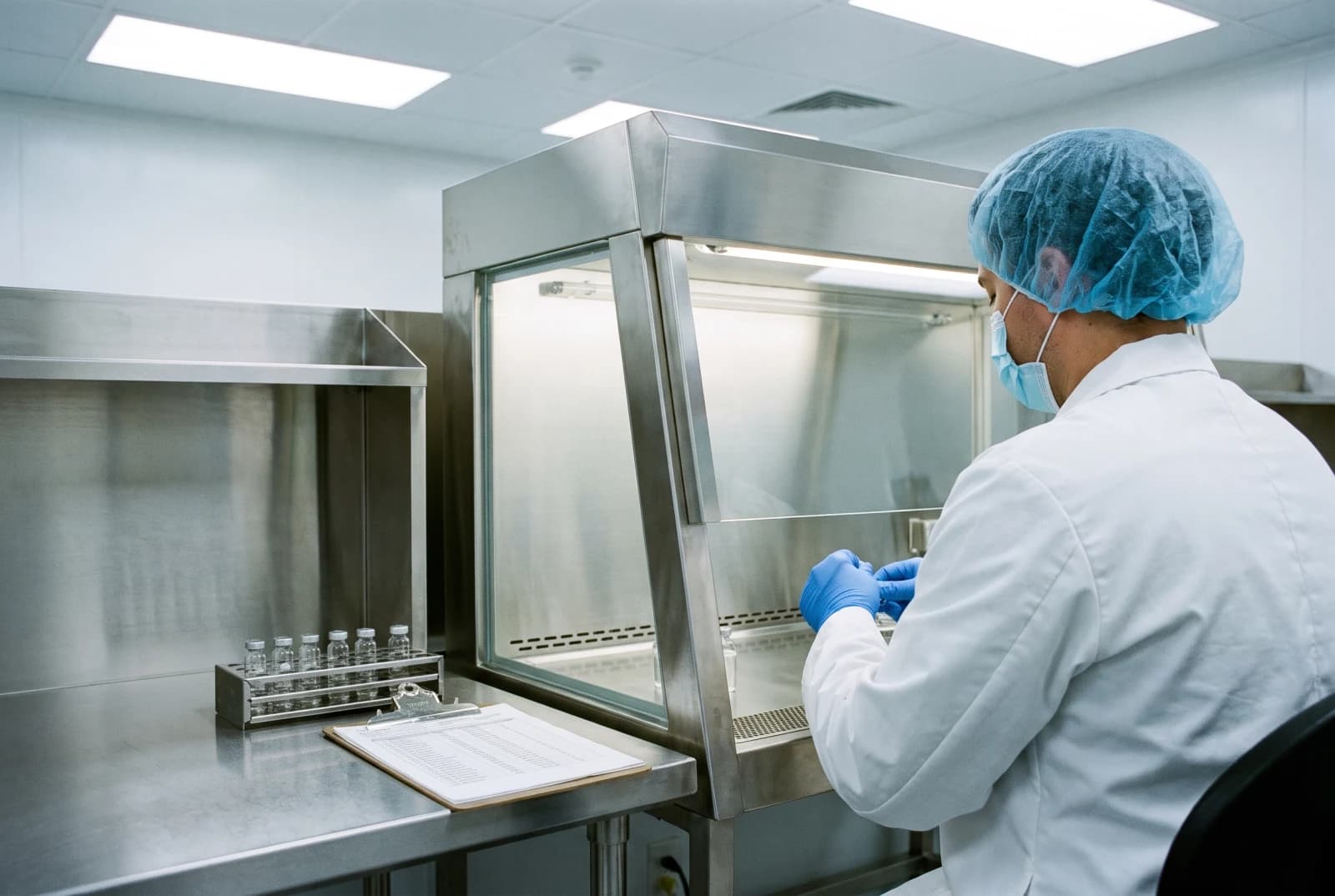
AI-generated editorial illustration of laboratory work, not a photograph of a named facility or an event in this report.
Regulation and safety·5 min read
Why ASHP and safety groups challenge the HHS peptide policy
ASHP acknowledged safeguards in the HHS peptide compounding policy. Earlier letters and a petition show why evidence and enforcement remain disputed.
November 4, 2026
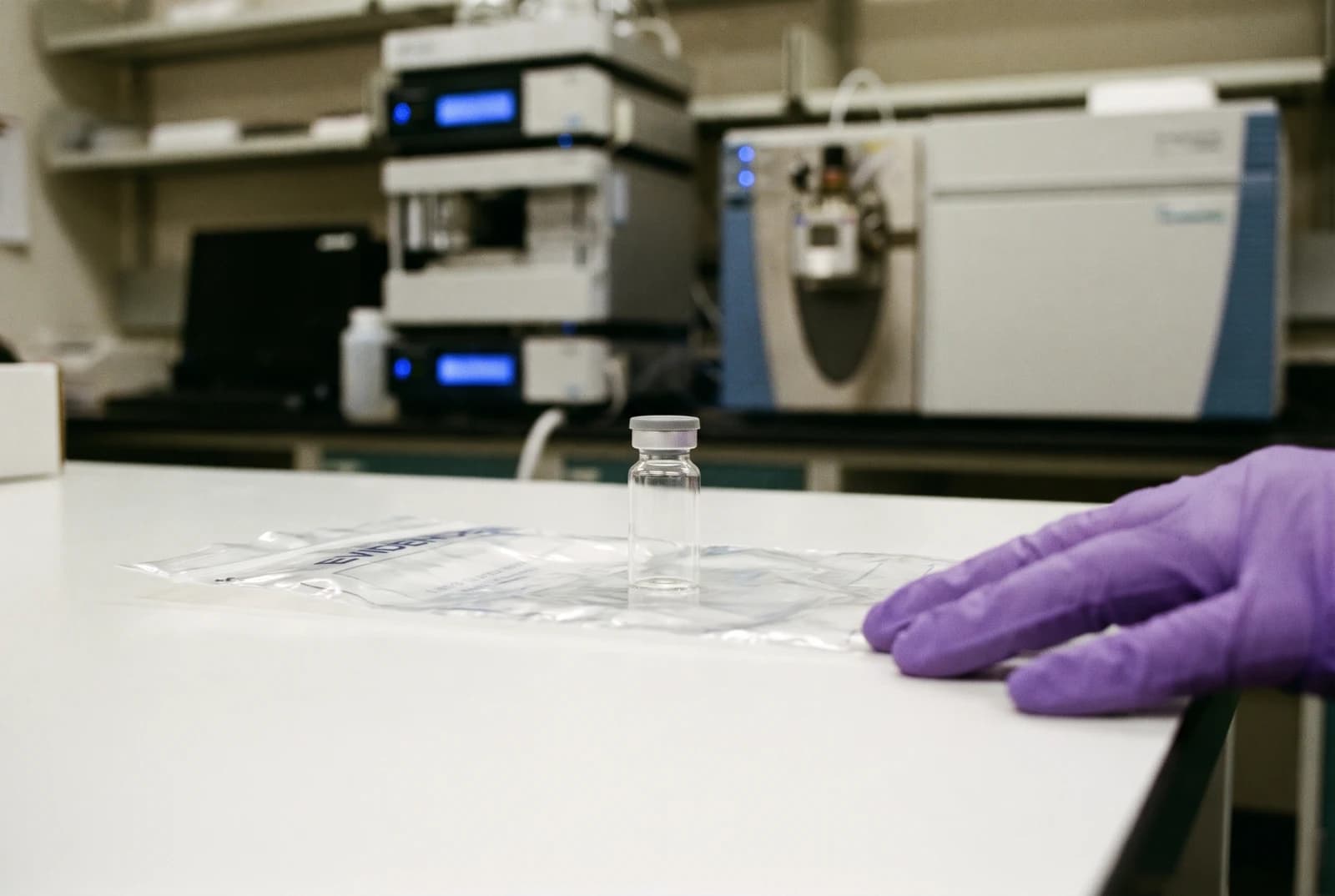
AI-generated editorial illustration of a vial on an evidence bag, not a photograph of the tested samples or a validated instrument design.
Regulation and safety·5 min read
What US and Australian tests found in vials labelled retatrutide
Reported retatrutide vial tests found an apparent identity mismatch, bacteria and label-amount discrepancies. Each finding answers a different question.
November 4, 2026
Explainer·8 min read
What are peptides? Structure, synthesis and laboratory testing
Amino acid chains, the size boundary with proteins, laboratory synthesis and what analytical tests can establish. A sourced introduction to peptide chemistry.
November 3, 2026
Laboratory tool·5 min read
Peptide calculator: concentration and portion math
Check research solution concentration, portion volume and portions per vial. Includes a worked example and the limits of the calculation.
November 3, 2026

AI-generated editorial illustration of a courthouse exterior, not a photograph of the Coroners Court of Victoria.
Regulation and safety·7 min read
Richard Norton's death was triggered by a peptide injection, coroner finds
A Victorian coroner found the actor died of anaphylaxis after injecting a prescribed CJC1295 and ipamorelin blend, and asked Australia's regulator to consider a Schedule 10 ban.
November 2, 2026

AI-generated editorial illustration of a clinical research day room, not a photograph of a trial site.
Clinical research·6 min read
Can a motion sickness pill stop semaglutide vomiting? What Vanda's Phase 3 trial found
After a single 1 mg semaglutide dose, vomiting hit 43.0% of people on tradipitant and 58.5% on placebo. The data come from Vanda's release, and the pill is approved only for motion sickness.
November 2, 2026

AI-generated editorial illustration of a diabetes clinic consultation desk, not a photograph of a trial site.
Clinical research·6 min read
Retatrutide beats Ozempic in the first Phase 3 head-to-head diabetes trial
In 1,298 adults with type 2 diabetes, retatrutide cut A1C by 2.2 points and body weight by about 20% at 80 weeks. Ozempic 2 mg produced 1.8 points and 9.4%. Retatrutide is not approved.
October 30, 2026
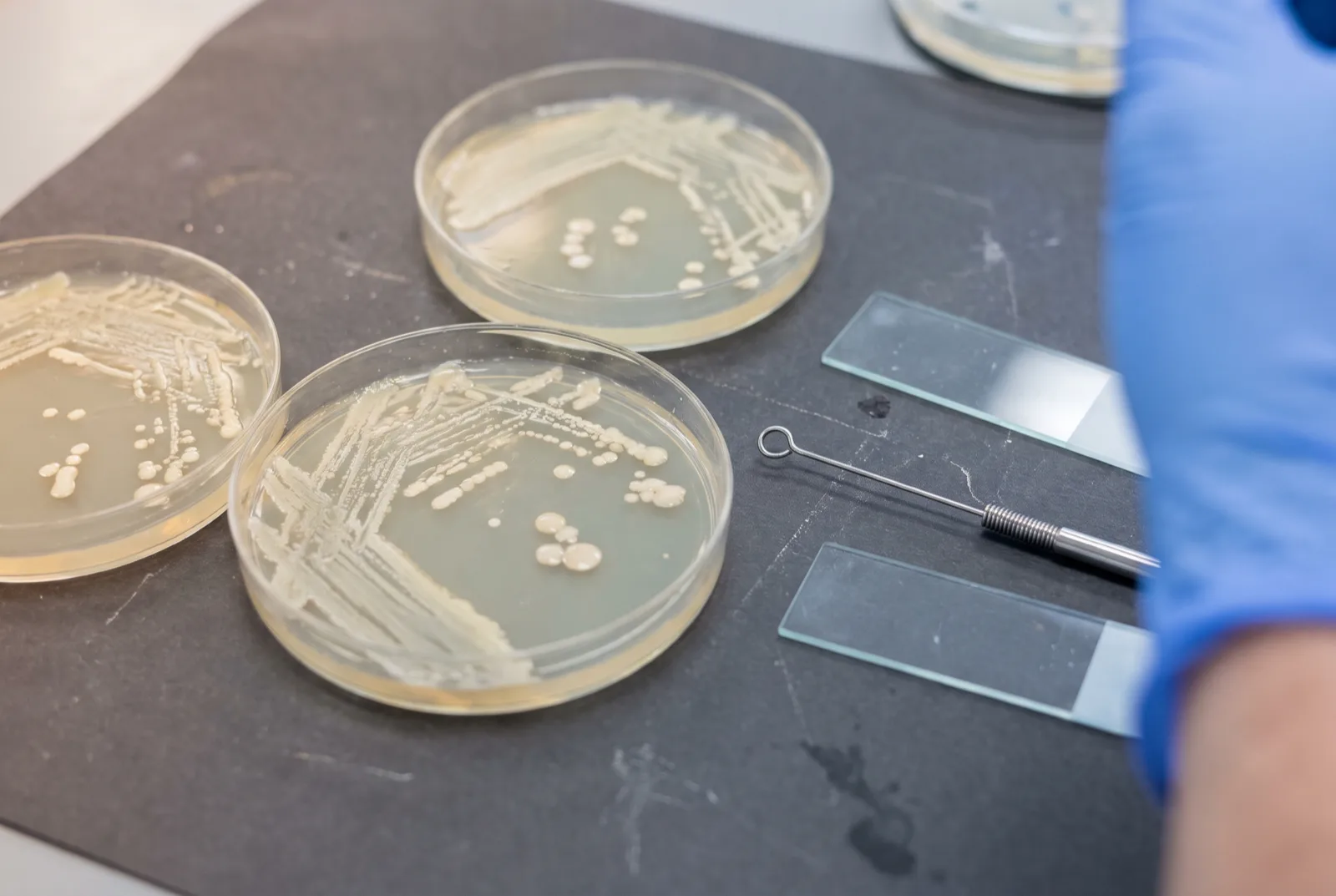
AI-generated editorial illustration of a microbiology bench, not a photograph of the cited experiment.
Research explained·6 min read
A scorpion peptide cut to 16 amino acids kills resistant bacteria. Cut to 8, it stops working
Researchers screened 116 antimicrobial peptides from African wildlife and shortened a scorpion venom peptide to 16 residues. New work explains how it breaks Gram-negative membranes and why the 8-residue version failed.
October 30, 2026
AI-generated editorial illustration of a compounding pharmacy workspace, not a photograph of a named facility.
Regulatory·6 min read
HHS peptide policy: what it allows and who it leaves out
HHS filed a policy on October 28, 2026 that lets licensed pharmacies and physicians compound six peptides without federal enforcement action. Research-use-only sellers are not covered.
October 29, 2026
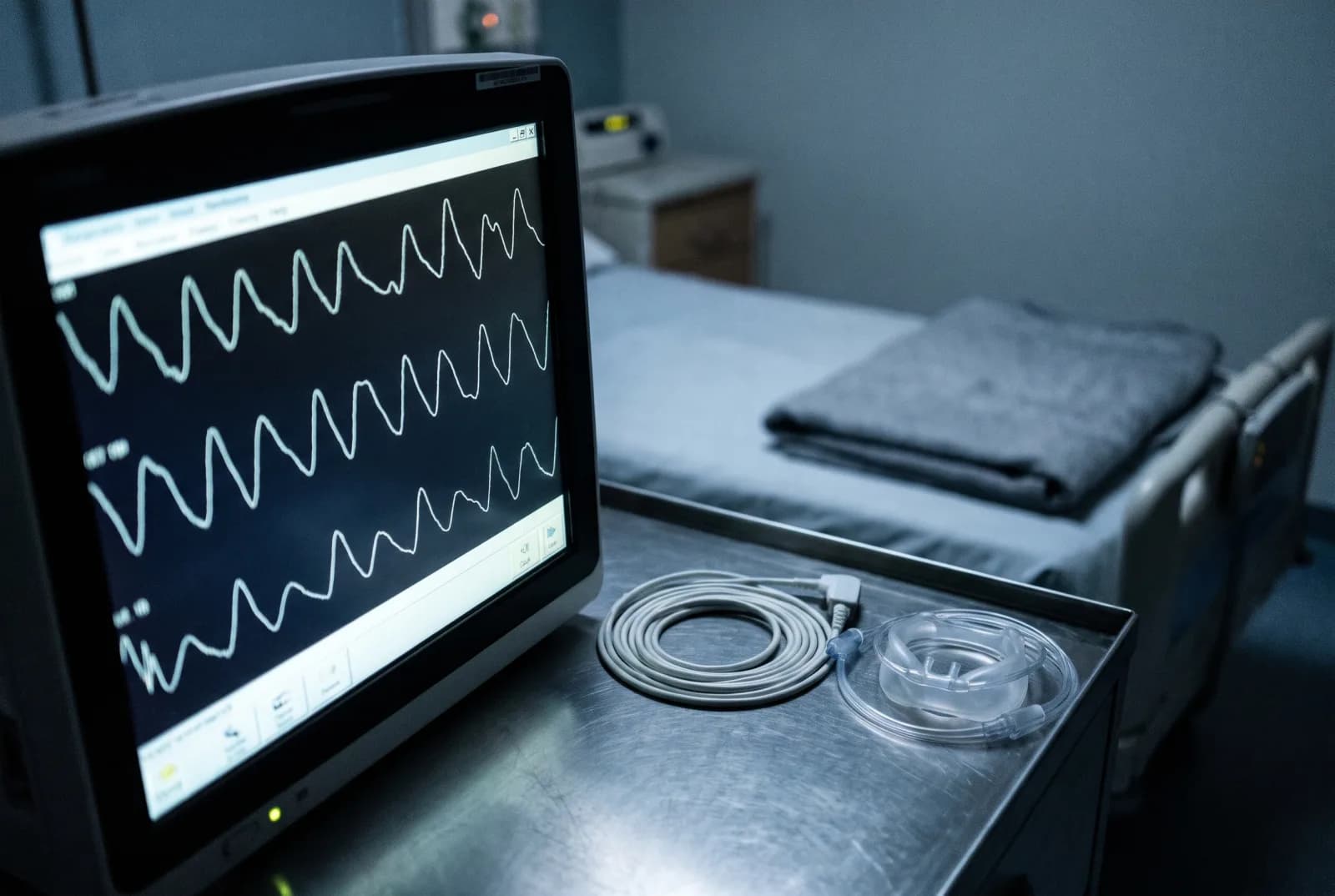
AI-generated editorial illustration of sleep study monitoring equipment, not a photograph of a trial site.
Clinical research·7 min read
Retatrutide reduced sleep apnea severity in two Phase 3 trials
Two Phase 3 trials cut the apnea-hypopnea index at 80 weeks in obstructive sleep apnea. The published paper reports two different sets of results and explains why.
October 29, 2026
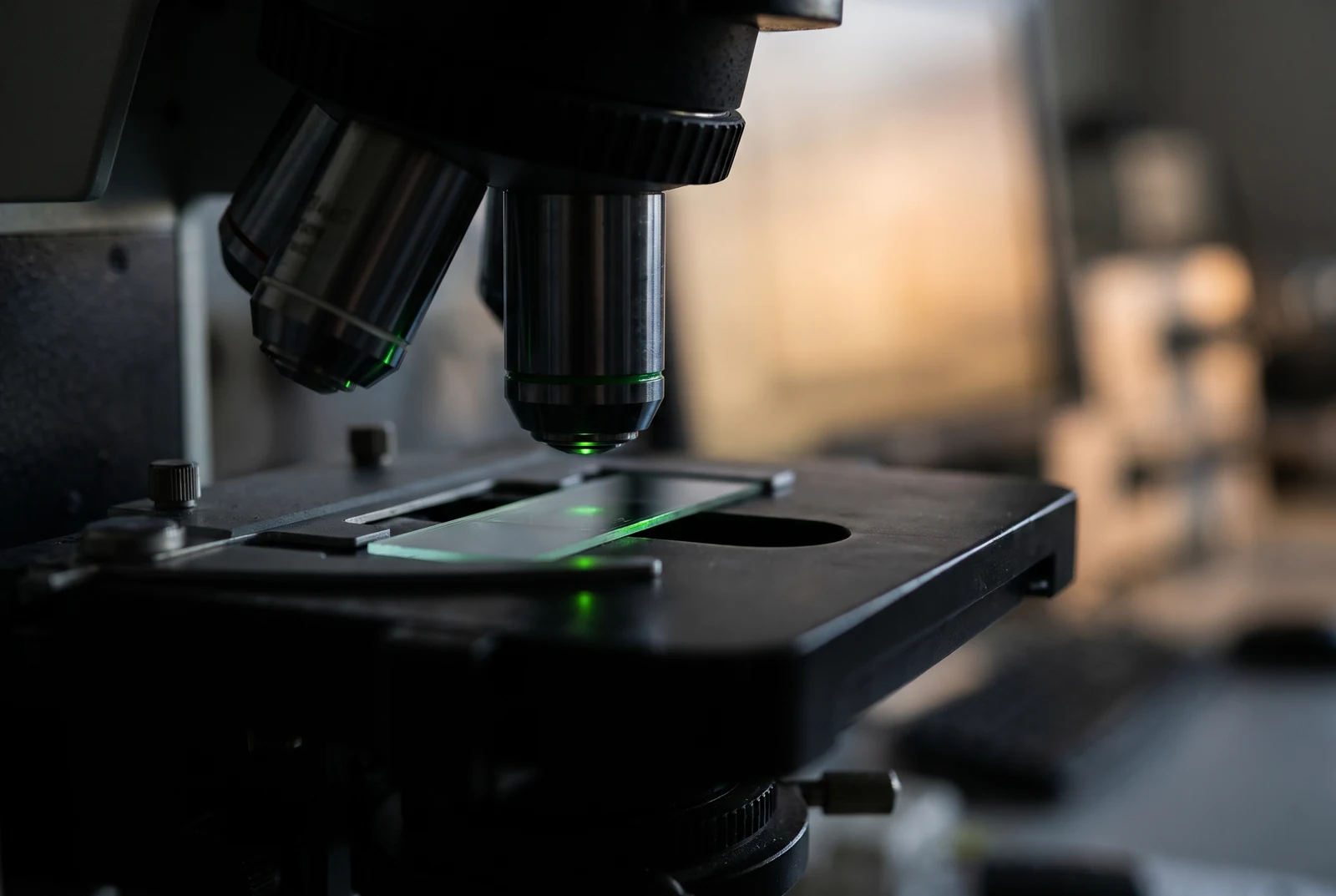
AI-generated editorial illustration of microscopy equipment, not a photograph of the cited experiments or a validated instrument design.
Research explained·5 min read
Fluorescent peptide labels can change the experiment they reveal
A fluorescent tag can change peptide membrane binding, shape and distribution. Three studies explain why a brighter signal needs a chemical check.
October 28, 2026
AI-generated editorial illustration of laboratory samples, not a photograph or result of the cited experiments.
Research explained·5 min read
Why a scrambled peptide control is not automatically inactive
Scrambling preserves amino acid composition, but can change assembly and cell responses. Three experiments show what a useful negative control must establish.
October 28, 2026
AI-generated editorial illustration of immune assay equipment, not a photograph of AMPLIFY-7P or a validated instrument design.
Clinical research·5 min read
ELI-002 at ESMO: what AMPLIFY-7P shows after missing its main endpoint
ELI-002 7P missed its primary pancreatic cancer trial endpoint. The ESMO analysis explains the ctDNA subgroup signal, immune responses and Phase 3 questions.
October 26, 2026
AI-generated editorial illustration of peptide synthesis materials, not a photograph of the cited experiments or a validated synthesis setup.
Research explained·5 min read
Peptide acetylation and amidation: why changing the ends changes the assay
N-terminal acetylation and C-terminal amidation change peptide charge and recognition. Studies show why greater stability does not guarantee greater activity.
October 26, 2026
AI-generated editorial illustration of a fictional Gilead campus sign, not a photograph of the event or an actual Gilead facility.
Industry news·4 min read
Gilead's $1.275 billion PepStar deal: what HCXT-2001 adds
Gilead agreed to pay $1.275 billion upfront at closing for HCXT-2001. What the oral IL-23 receptor peptide adds, and how it differs from emvistegrast.
October 25, 2026
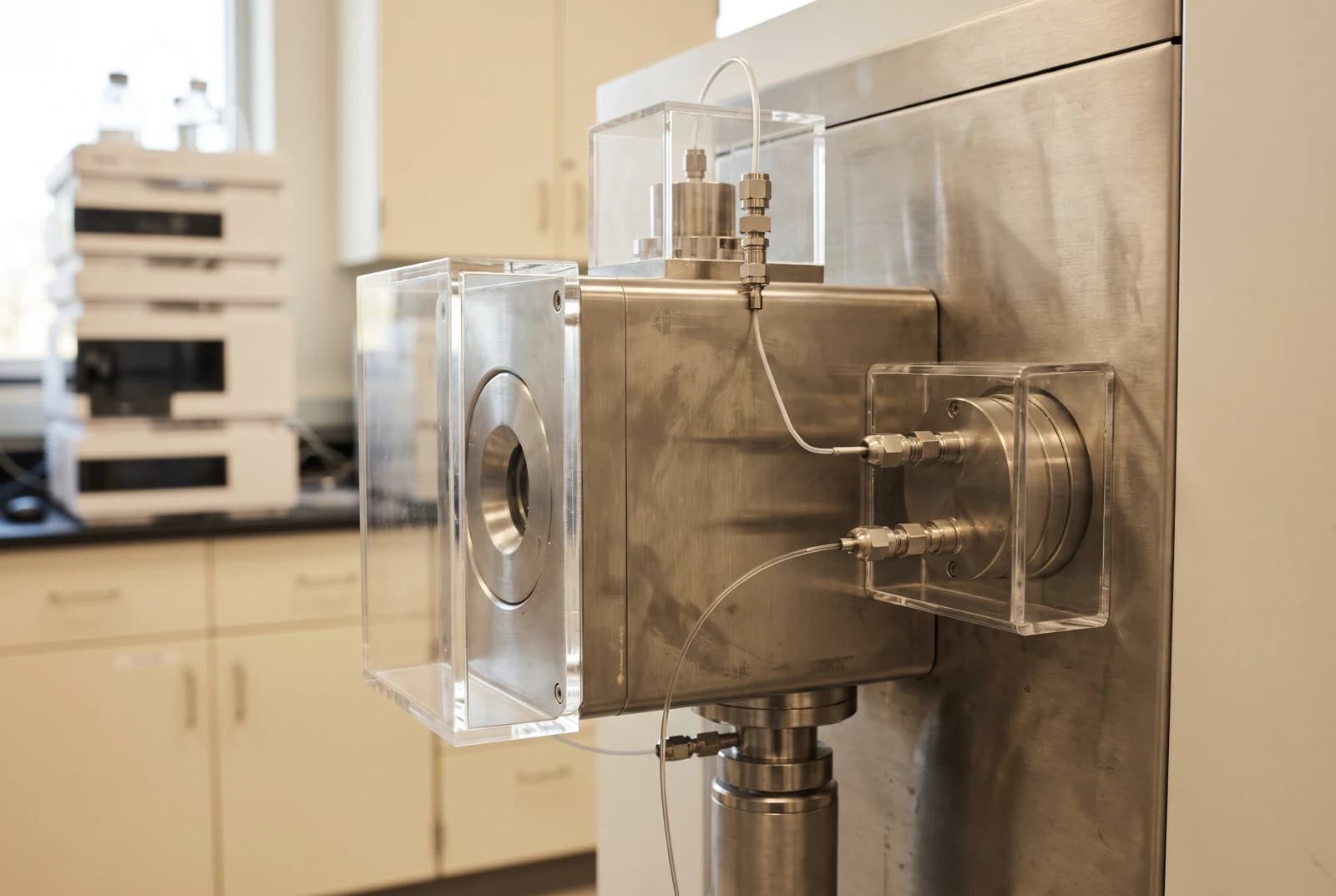
AI-generated editorial illustration of mass spectrometry equipment, not a photograph of the cited experiments or a validated instrument design.
Research explained·5 min read
Leucine vs isoleucine: what peptide mass spectrometry can resolve
Leucine and isoleucine have the same exact mass. How specialized peptide fragmentation can distinguish them, and why a mass match leaves sequence ambiguity.
October 25, 2026
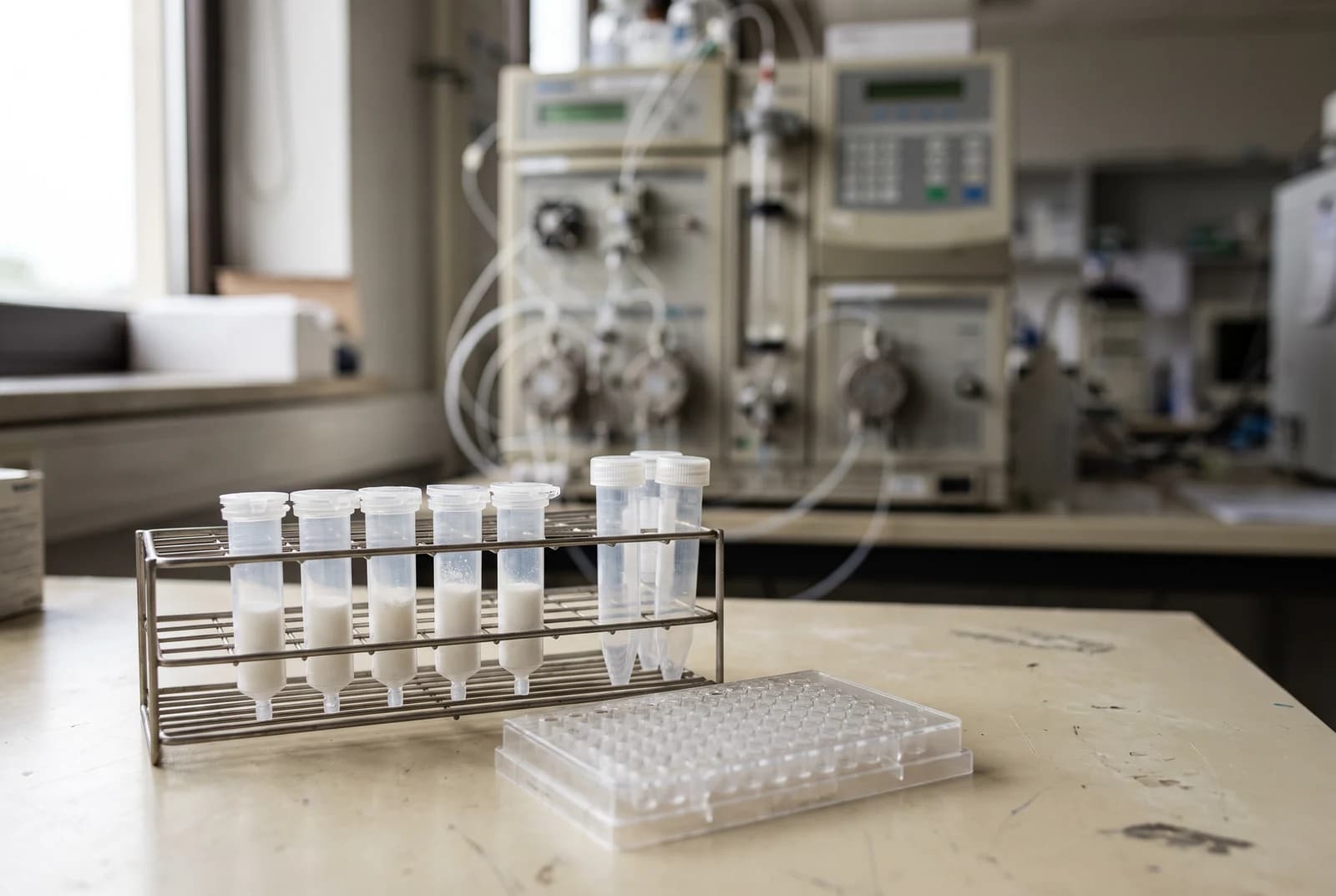
AI-generated editorial illustration of peptide library screening equipment, not a photograph of the cited studies or a validated apparatus.
Research explained·5 min read
Cyclic peptide libraries: how protein fragments become binding candidates
How researchers build and decode cyclic peptide libraries, what a 15,217-member proteome study found, and why a binding hit still needs validation.
October 24, 2026
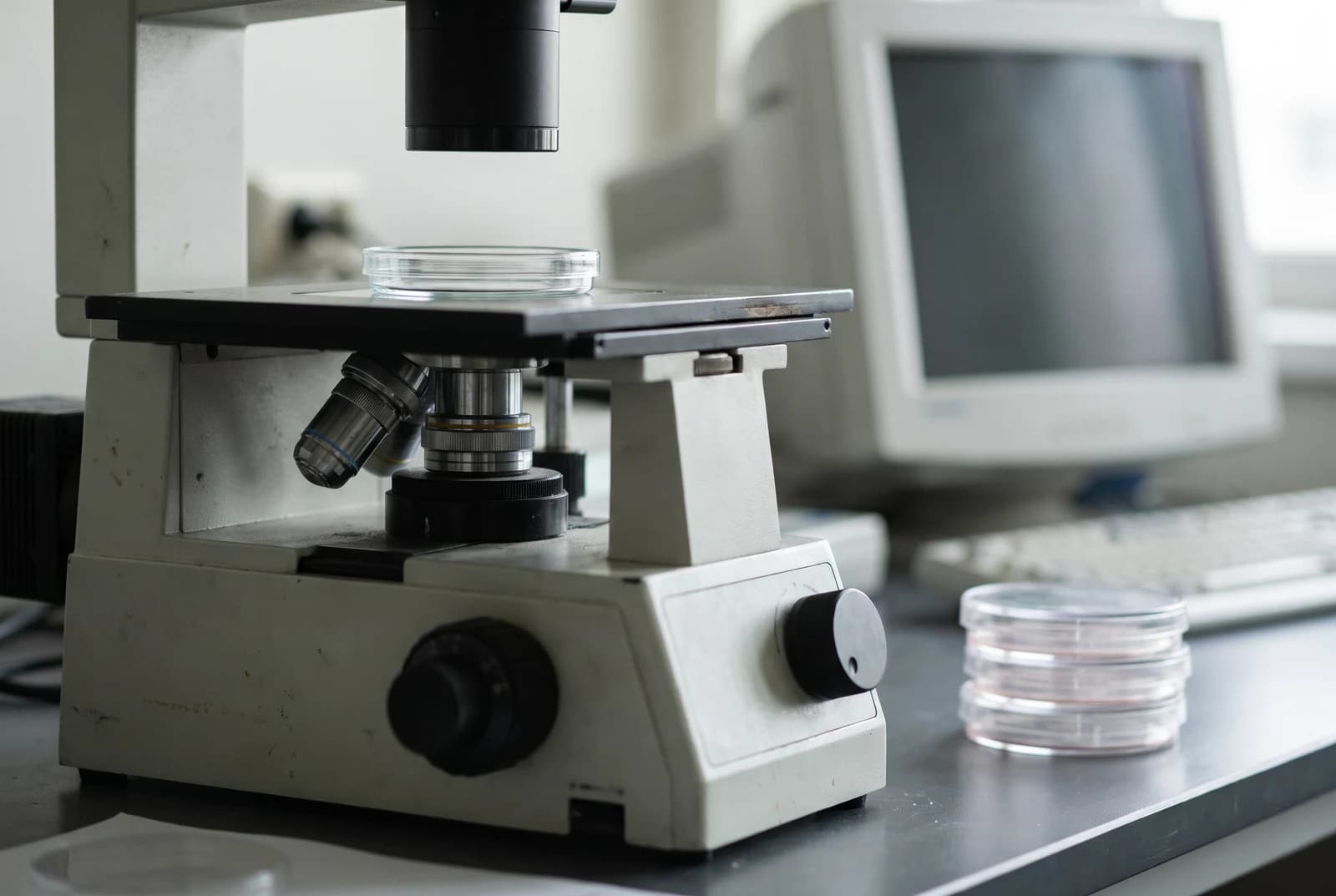
AI-generated editorial illustration of cell imaging equipment, not a photograph of the cited experiments or a validated instrument design.
Research explained·5 min read
Receptor desensitization: why a peptide's signal can fade after binding
Binding affinity cannot explain how a cell responds over time. GLP-1 receptor experiments separate desensitization, internalization and recycling.
October 24, 2026
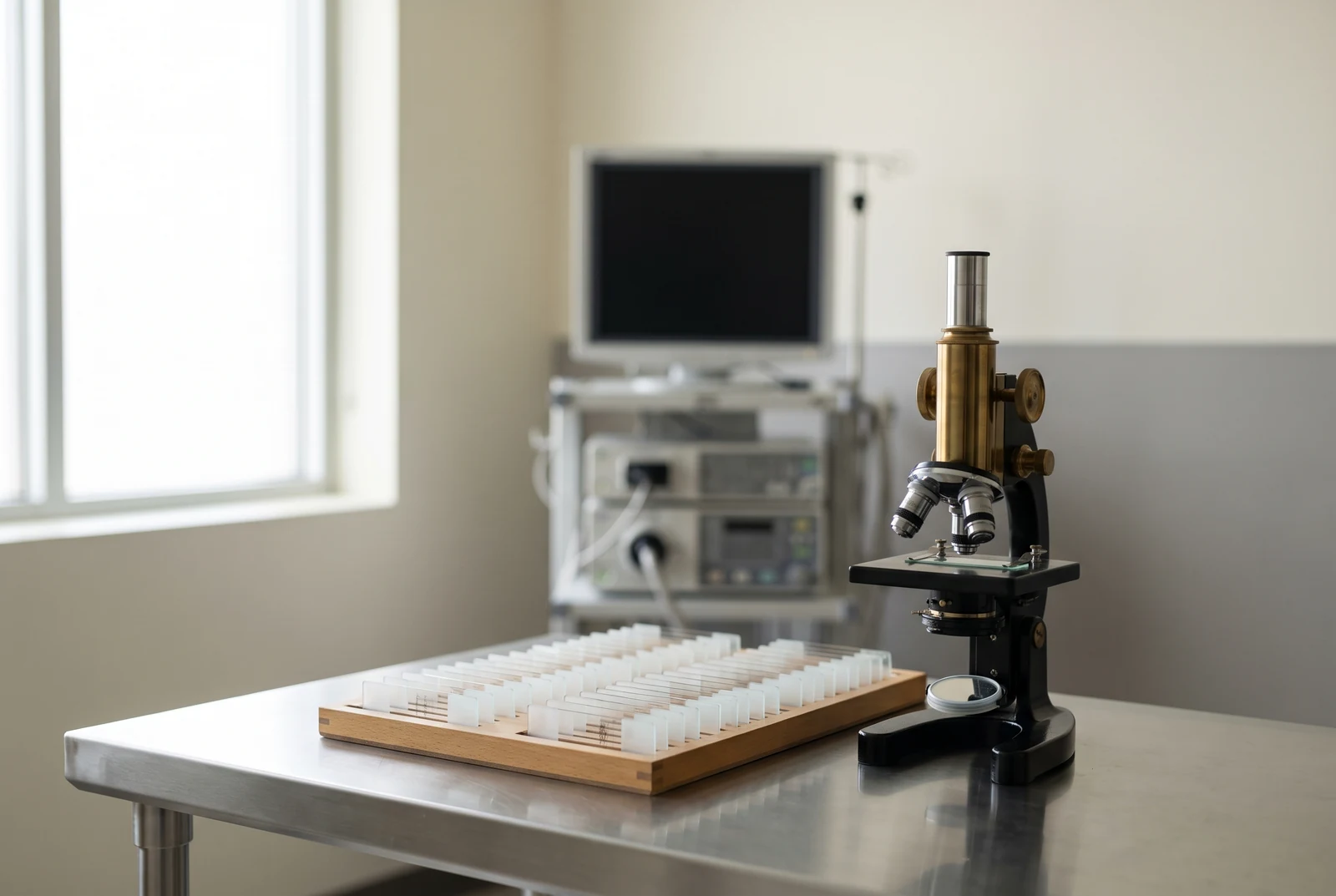
AI-generated editorial illustration of a generic pathology concept, not a photograph of ANTHEM-UC or an actual trial facility.
Clinical research·4 min read
Icotrokinra in ulcerative colitis: what 76 week remission results mean
ANTHEM-UC followup found remission at 76 weeks among selected responders. How the extension differs from icotrokinra’s randomized ulcerative colitis trial.
October 23, 2026
AI-generated editorial illustration of generic analytical hardware, not a photograph of the cited experiments or a validated instrument design.
Research explained·4 min read
Why peptide LC-MS signal can change without a concentration change
Ion suppression can weaken peptide LC-MS signals. How matrix effects, sample recovery and isotope standards change the meaning of a chromatographic peak.
October 23, 2026
AI-generated editorial illustration of a generic pharmacokinetics laboratory, not an Ascletis facility or study photograph. Instrument design is not validated; screen data are illustrative.
Clinical research·4 min read
Ascletis’ oral amylin ASC36o reaches Phase 1: the human absorption question
Ascletis says oral amylin ASC36o is in US Phase 1. Why its forthcoming human pharmacokinetic data matter more than animal exposure claims.
October 22, 2026
AI-generated editorial illustration of fluorescence microscopy, not a photograph of the cited experiments or a validated instrument design. Screen signals are illustrative.
Research explained·4 min read
Peptide cell uptake is not cytosolic delivery: why glowing cells can mislead
A fluorescent cell can hold peptides in endosomes without delivering them to intracellular targets. What CAPA and SLEEQ experiments actually measure.
October 22, 2026
AI-generated editorial illustration of liver-assessment equipment, not a photograph of the IMPACT trial or an actual clinical facility.
Clinical research·4 min read
Pemvidutide heads to AASLD with liver-marker results beyond its early biopsies
Altimmune plans a 48-week pemvidutide responder analysis at AASLD. How liver stiffness and blood markers differ from the IMPACT trial’s earlier biopsy results.
October 21, 2026
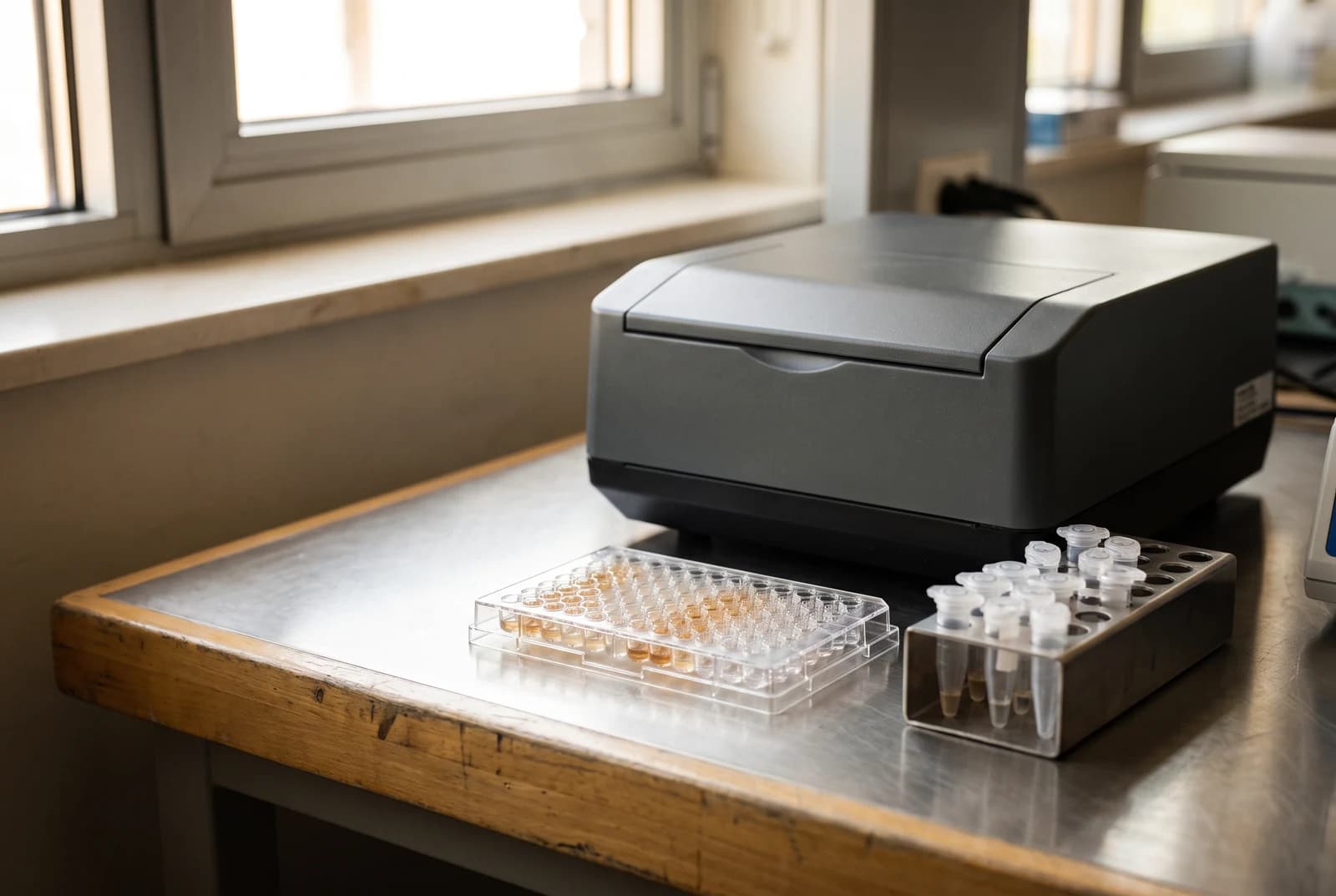
AI-generated editorial illustration of antibody-testing equipment, not a photograph of the cited studies or a validated instrument design.
Research explained·4 min read
Peptide immunogenicity: what anti-drug antibodies can tell us
Anti-drug antibodies can bind a peptide without proving treatment failure. Learn how neutralization tests, drug exposure and clinical outcomes fit together.
October 21, 2026
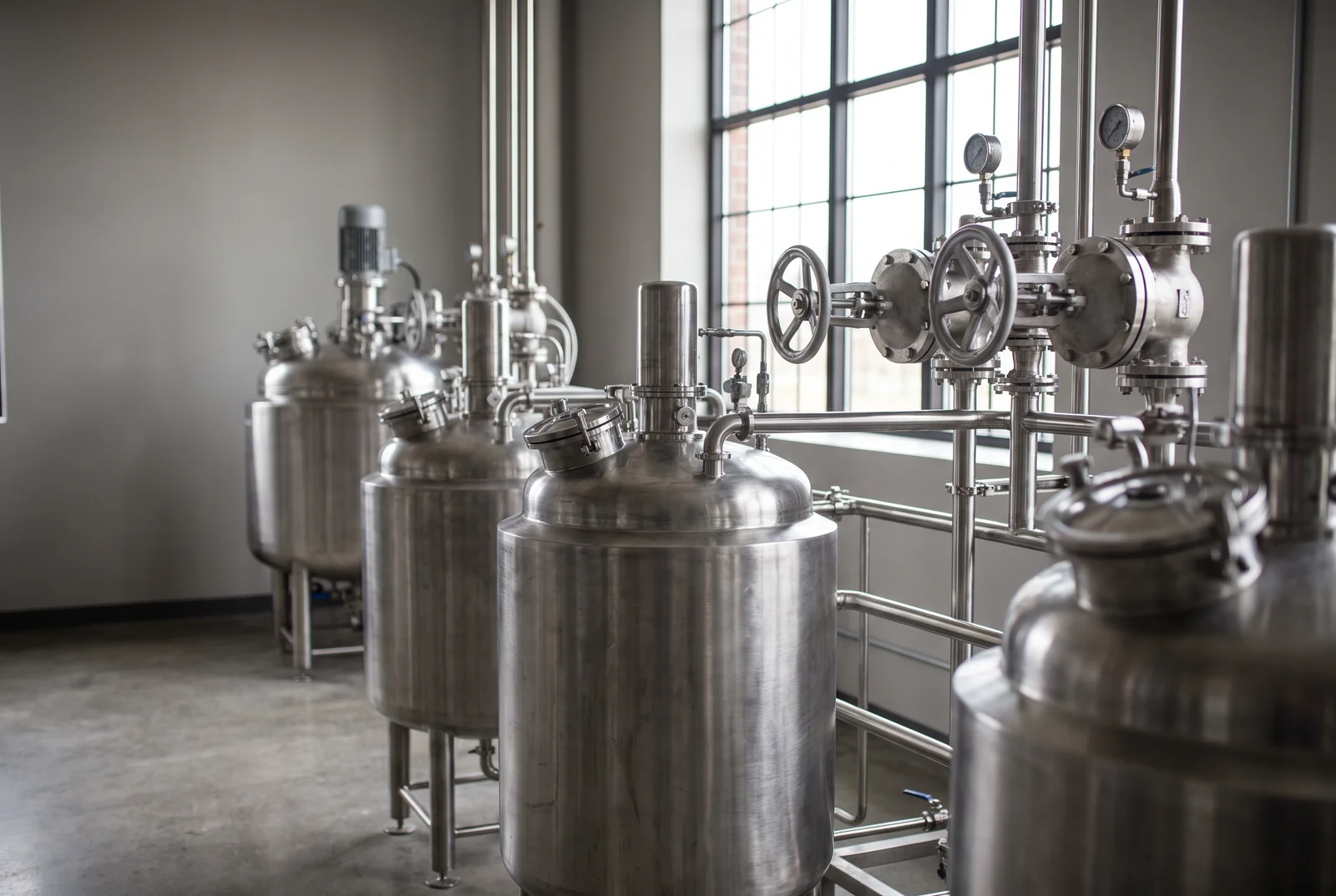
AI-generated editorial illustration of manufacturing equipment, not a photograph of a Samsung or PolyPeptide facility.
Industry news·4 min read
Samsung’s PolyPeptide offer clears a hurdle as closing moves later
Samsung’s PolyPeptide tender passed its acceptance threshold. Why closing remains pending, what the revised timetable says and where factory expansion stands.
October 20, 2026
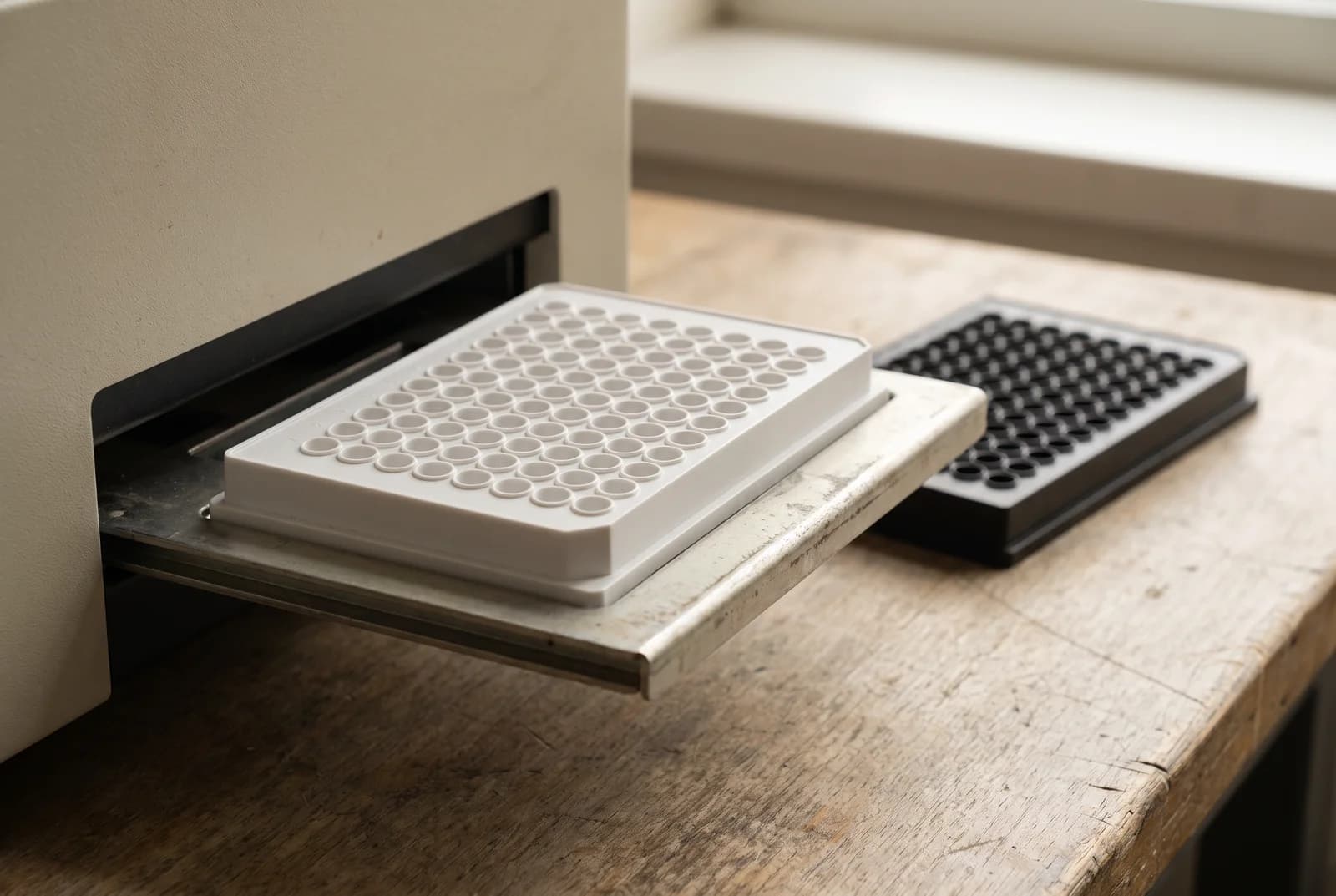
AI-generated editorial illustration of laboratory assay equipment, not a photograph of the cited experiment or a validated instrument design.
Research explained·5 min read
IC50 vs EC50: why peptide potency is not binding affinity
Learn what IC50, EC50, Kd and Ki measure, why peptide binding can diverge from cellular activity, and what to check before comparing assay numbers.
October 20, 2026
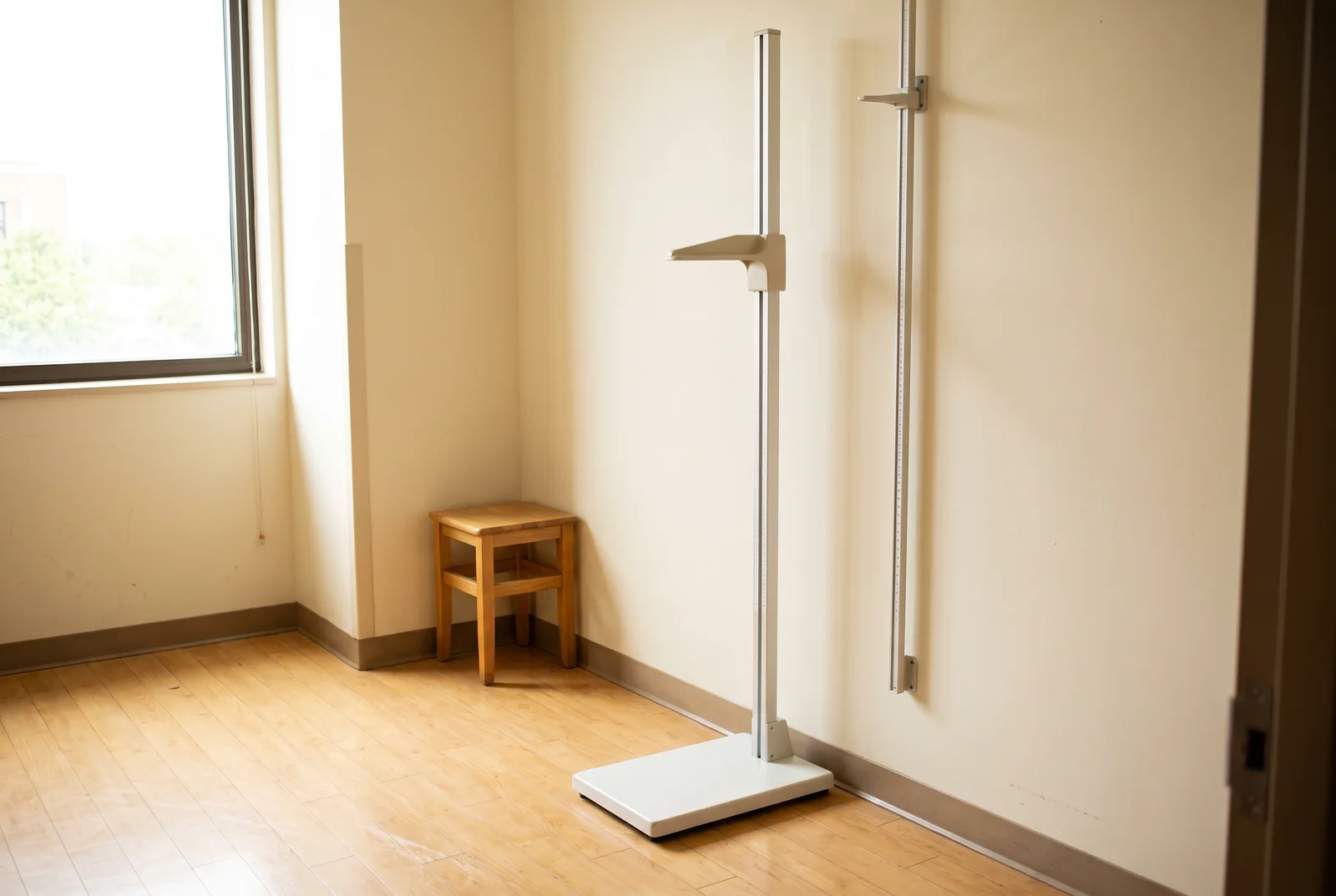
AI-generated editorial illustration, not a photograph of an actual trial.
Clinical research·5 min read
Yuviwel receives a positive CHMP opinion: what the growth results show
Yuviwel’s positive CHMP opinion moves navepegritide toward EU authorization for achondroplasia. What the 52-week growth and safety results establish.
October 19, 2026
AI-generated editorial illustration, not a photograph of an actual experiment or a validated instrument design.
Science·6 min read
How albumin binding extends peptide half-life, and what it can cost
Albumin can extend peptide circulation through binding and cellular recycling. Three studies explain the measurements, mechanisms and tradeoffs in target activity.
October 19, 2026
AI-generated editorial illustration, not a photograph of an actual trial.
Clinical research·5 min read
RYZ101 ACTION-1: BMS reports positive Phase 3 interim results
BMS reports a positive RYZ101 ACTION-1 interim analysis. The population, comparator and progression-free survival endpoint explain what the announcement means.
October 17, 2026
AI-generated editorial illustration, not a photograph of an actual experiment.
Science·6 min read
Methionine oxidation: when peptide analysis changes the sample
An oxidized peptide peak can arise during mass spectrometry. Three studies explain the methionine mass shift, instrument artifacts and ways to trace the change.
October 17, 2026
AI-generated editorial illustration
Clinical research·5 min read
Tirzepatide heart failure analysis finds a survival signal
An exploratory SURPASS CVOT analysis favored tirzepatide on a combined death and heart failure outcome. The component results explain its limits.
October 16, 2026
AI-generated editorial illustration
Science·4 min read
SS31 and cardiolipin: how the mitochondrial peptide works
How SS31 interacts with cardiolipin and mitochondrial proteins, what laboratory experiments reveal, and where the human evidence remains limited.
October 16, 2026
Clinical research·5 min read
Oral VK2735 Phase 3: what Viking’s two SUNRISE trials will test
Viking’s oral VK2735 Phase 3 program pairs trials in adults with and without type 2 diabetes. What the 68 week design measures and the registry says about timing.
October 15, 2026
Science·6 min read
TFA vs acetate peptide salts: why assay results can change
The same peptide sequence can behave differently as a TFA, acetate or chloride salt. Three primary studies show why the assay determines the comparison.
October 15, 2026

Preclinical research·7 min read
Semaglutide improved heart filling in animals without significant weight loss
A Cedars-Sinai semaglutide study found better heart filling in rats and minipigs without significant weight loss. How it differs from human HFpEF evidence.
October 14, 2026
Science·7 min read
Same mass, different disulfide bonds: the peptide identity problem
Peptides can share an intact mass while their disulfide bonds connect different cysteines. Three cone-snail studies explain how researchers tell them apart.
October 14, 2026
Clinical research·7 min read
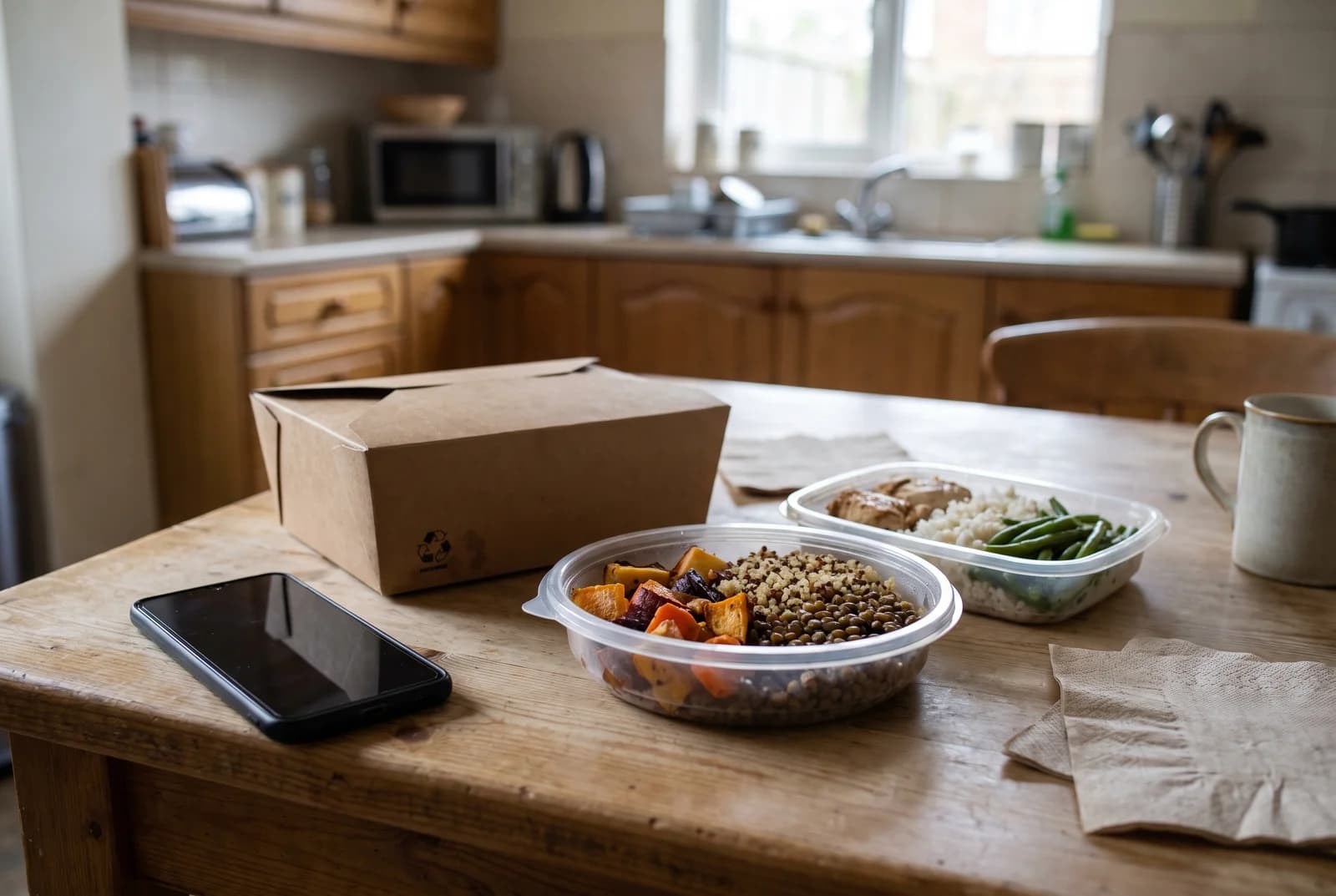
GLP-1 withdrawal pilot finds less weight regain with meals or an app
A 39-person GLP-1 withdrawal pilot found less weight regain with meals or Noom. The four-month results, trial endpoints and funding explain its limits.
October 13, 2026
Science·7 min read
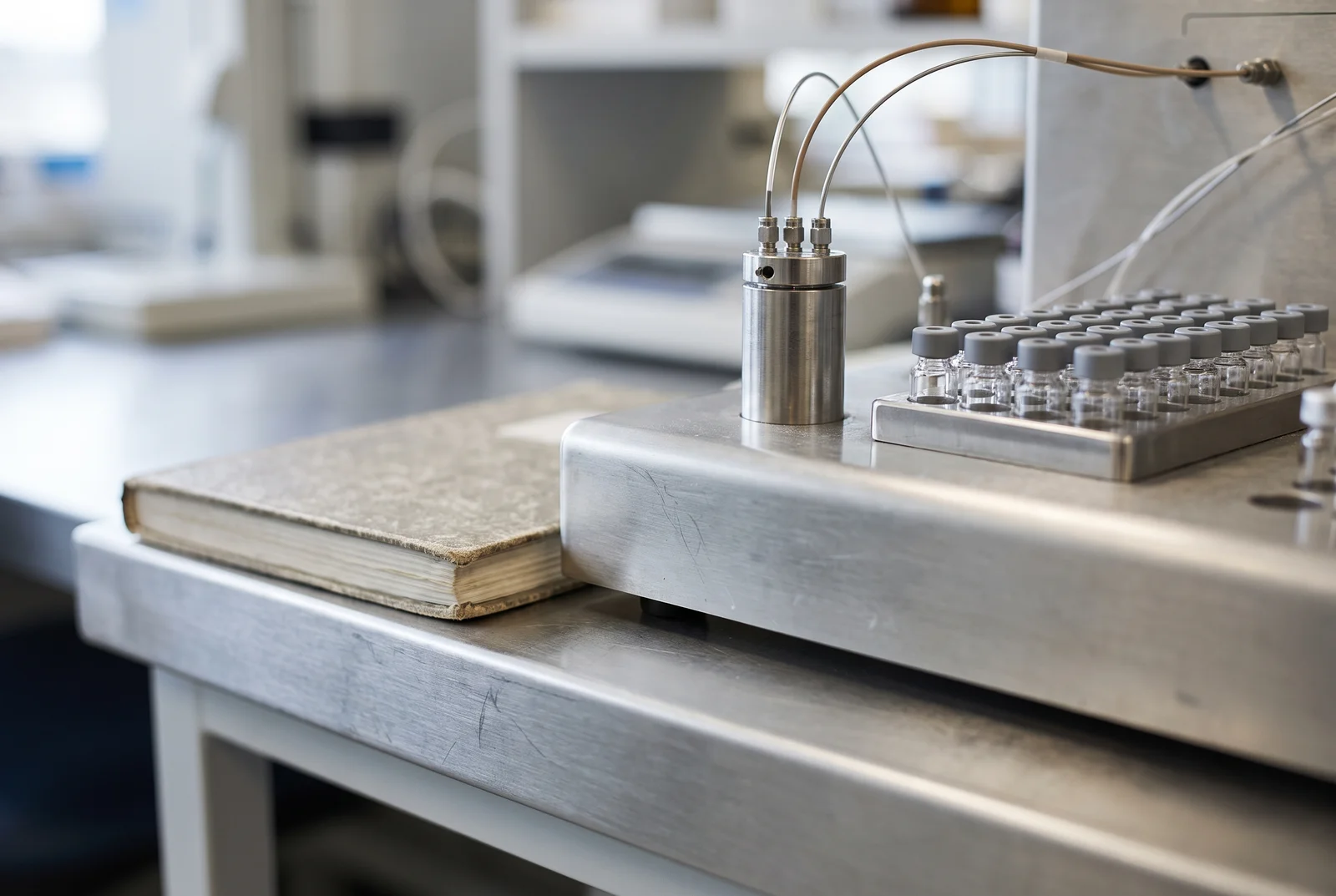
Peptide deamidation: how a small mass change can alter the backbone
Peptide deamidation adds about 0.984 daltons but can also form isoaspartate. Model experiments explain the chemistry and why mass alone can miss it.
October 13, 2026
Clinical research·6 min read
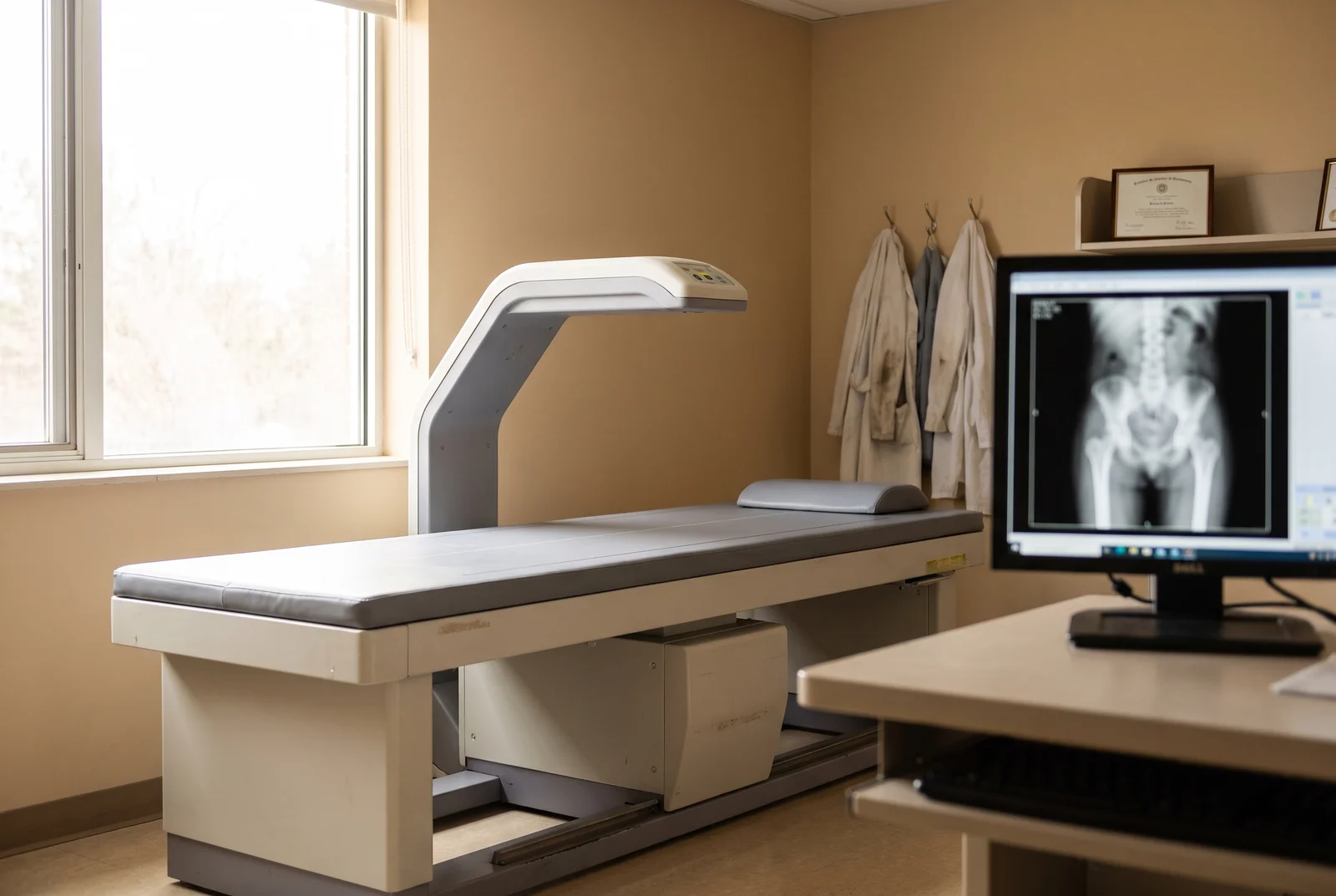
EB613 phase 3 plans put bone density at the center of an oral osteoporosis trial
Entera's planned EB613 phase 3 trial would test hip bone density. What the oral osteoporosis peptide's earlier study and FDA surrogate endpoint mean.
October 12, 2026
Science·8 min read
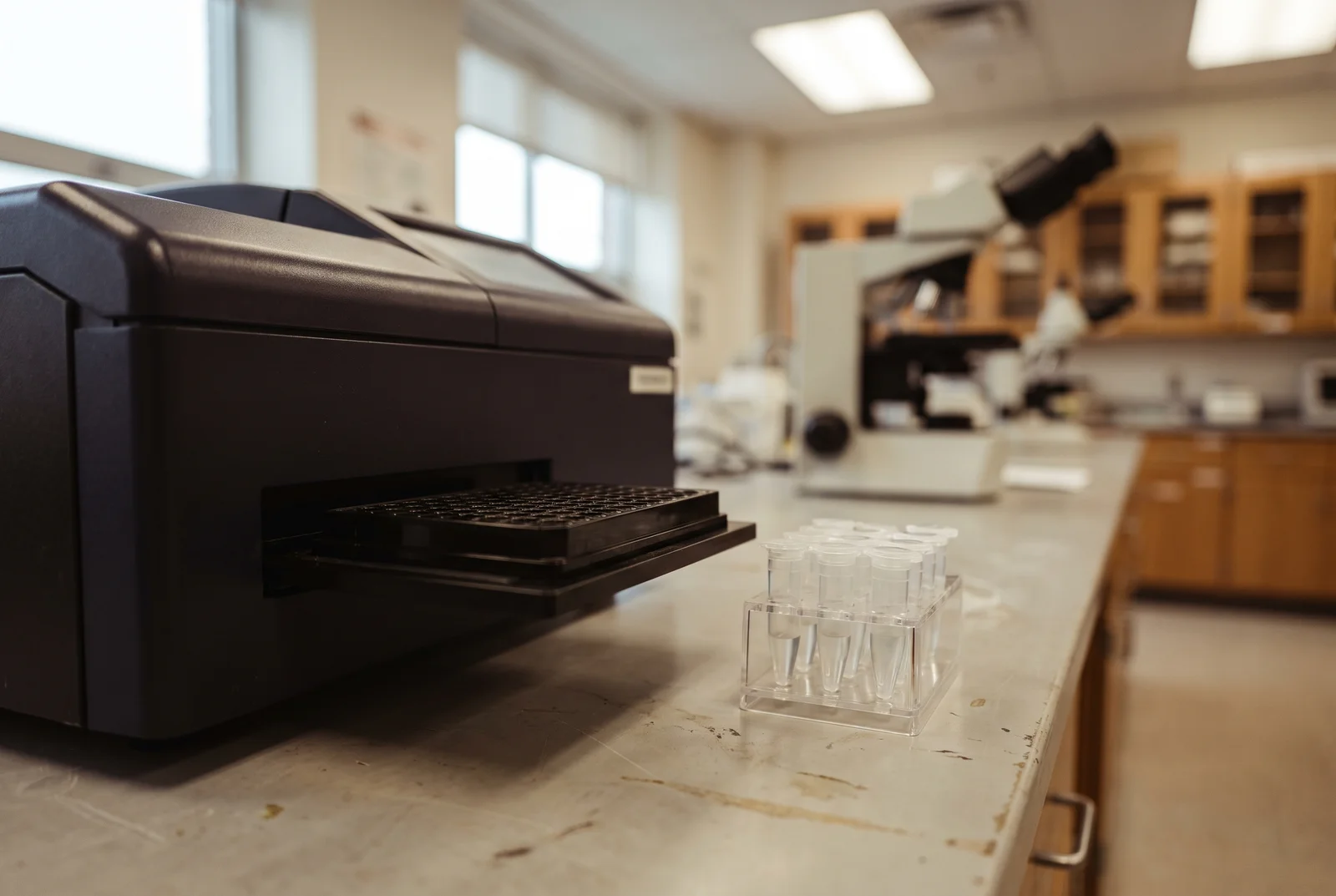
What a peptide aggregation assay can miss
Peptide aggregation changes more than a fluorescence curve. Experiments show how starting aggregates, dye concentration and measurement choices affect results.
October 12, 2026