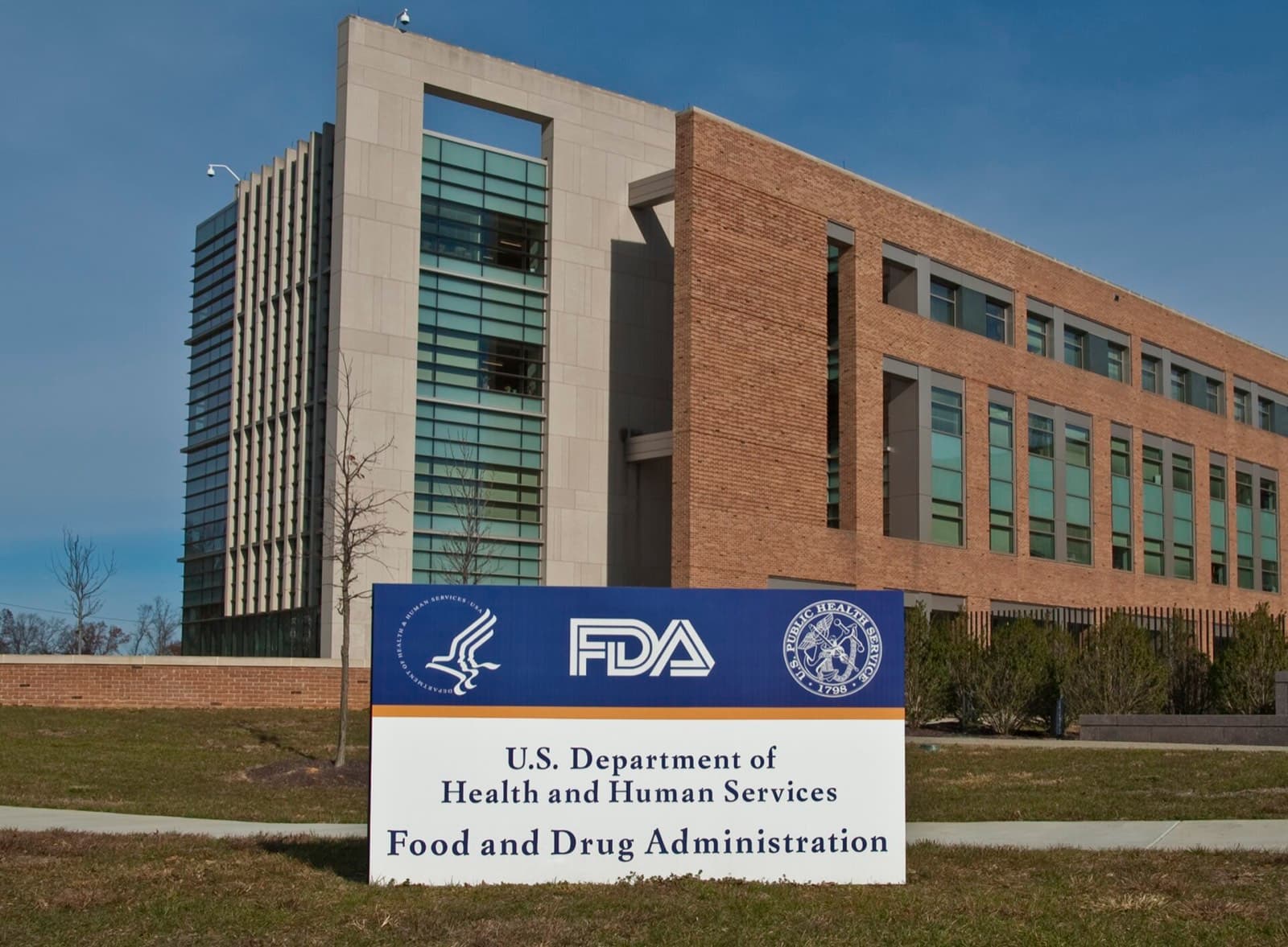
FDA sent five online peptide sellers warning letters dated August 24, 2026 after reviewing their websites in July. Its central finding was that research-only disclaimers could not outweigh product descriptions and accompanying resources suggesting human drug use. The letters demand a response; they are not seizures, charges or convictions.
Buy 1, Get 1 Free
Pick any research compound. The second one is on us.
Applied automatically at checkout, no code needed
Claim my free vial →Lower priced item free; accessories excluded. For research use only.
Key facts
- Date on all five letters: August 24, 2026. Issuer: FDA's Center for Drug Evaluation and Research (ArentFox Schiff).
- FDA says it reviewed each seller's website in July 2026 (Peptide Partners letter, Royal Peptides letter).
- Legal theory: unapproved new drugs, violating sections 301(d) and 505(a) of the federal FD&C Act.
- Response deadline: 15 business days from receipt.
- The FDA pages for the letters show content current as of September 1, 2026.
Which sellers got letters, and what was reviewed?
The addressees and products are named in the agency's individual letters below. Each describes content FDA saw during a July website review, so a product page edited later would not erase what the letter says FDA examined at the time.
Peptide Partners LLC
July 2026 website review: peptide.partners · FDA reference 735063
FDA cited six peptide listings, including an SS-31 page discussing retinal protection, plus a reconstitution solution it treated as a separate drug.
Read Peptide Partners LLC's FDA letter →Royal Peptides LLC
July 2026 website review: royal-peptides.com · FDA reference 734884
Seven products were named. A product page paired an ‘Advanced Research Use’ label with claims about mitochondrial repair, anti-aging and neuroprotection; FDA also cited a peptide guide and calculator.
Read Royal Peptides LLC's FDA letter →TXP Innovations LLC dba Tex Peptides
July 2026 website review: texpeptide.com · FDA reference 735067
FDA identified six peptide products and bacteriostatic water. Its examples included a GLP-1 SEM page describing diabetes and obesity uses.
Read TXP Innovations LLC dba Tex Peptides's FDA letter →NuScience Peptides LLC
July 2026 website review: nusciencepeptides.com · FDA reference 733652
The letter named eight peptide offerings and BAC water. One GLP-1 Sema page linked to a PubChem passage about weight loss; FDA also noted a peptide calculator.
Read NuScience Peptides LLC's FDA letter →Peak Performance Peptides
July 2026 website review: pppepz.com · FDA reference 735127
FDA named five peptide products and ‘Bac water’; its cited SS-31 page discussed neuroprotection and cardiovascular benefits. The letter separately noted multiple strengths for some other products.
Read Peak Performance Peptides's FDA letter →How did a product page become evidence of intended use?
Royal's SS-31 page described mitochondrial repair, anti-aging and neuroprotection under an 'Advanced Research Use' heading. In the Royal letter, FDA read those claimed effects alongside the research label. Peptide Partners' SS-31 page instead described possible retinal protection, among other disease-related examples in the Partners letter. Neither example requires assuming what a shipped vial contained: the pages themselves were the evidence of intended use.
Why did FDA look beyond the research-use-only disclaimer?
The Peptide Partners letter explicitly notes 'for research use only' and 'not for human or veterinary use' statements, then points to the seller's other claims. The NuScience letter goes a step further: its GLP-1 Sema listing linked to a PubChem passage about weight loss. Even a link to outside scientific material became part of the website presentation FDA examined. A disclaimer did not settle how the agency interpreted that presentation.
Why did water sold alongside peptides draw scrutiny?
At Royal, FDA cited bacteriostatic water alongside a peptide guide and calculator as resources that together could facilitate preparation for injection. In its Partners letter and Tex letter, it went further: a reconstitution solution and bacteriostatic water, respectively, were themselves listed as unapproved drugs because of their stated use with the sellers' peptide products. The Peak letter likewise named 'Bac water'; the NuScience letter named BAC water and noted a calculator. These are findings about each storefront's intended uses, not a determination about all laboratory water.
What happens after a warning letter?
Each seller was asked to describe corrections within 15 business days of receipt, or explain why it disagreed, with its own reference number in the response subject line. The Partners, Royal, Tex, NuScience and Peak letters all say this. Receipt may differ from the August 24 date. FDA warned inadequate correction could bring seizure or injunction without further notice; these five notices do not document either action.
A dated response or later FDA action would establish what changed after the letters. Until then, the July website examples explain the agency's allegations, not the final outcome for any seller.
Frequently Asked Questions
Which peptide sellers received FDA warning letters on August 24, 2026?
Five online sellers: Peak Performance Peptides, Royal Peptides LLC, NuScience Peptides LLC, Peptide Partners LLC and TXP Innovations LLC, which does business as Tex Peptides. Each letter was issued by FDA's Center for Drug Evaluation and Research.
Does a research use only label keep a product outside FDA drug rules?
Not on its own, according to these letters. FDA wrote that despite research use only statements on the labeling, evidence from each website established that the products were intended to be drugs for human use.
Is a warning letter the same as criminal charges?
No. A warning letter is an FDA notice of alleged violations and a request for a written response. It is not an indictment or a conviction. The letters warn that failure to fix the violations may lead to action such as seizure and injunction without further notice.
How long do the companies have to respond?
Each letter asks for a written response within 15 business days of receipt, sent to FDA by email with the letter's reference number in the subject line.
Why did FDA mention bacteriostatic water?
FDA said selling bacteriostatic water or reconstitution solution alongside the peptide products showed it was meant to prepare them for injection. In the Peptide Partners and Tex Peptides letters, FDA treated that solution itself as a drug.
Related coverage
The practical lesson of the letters is about evidence of intended use: FDA examined the surrounding presentation, not only the disclaimer. The sellers’ responses and any subsequent agency action would show what happened after the warnings; the letters themselves do not supply that outcome.
Buy 1, Get 1 Free
Pick any research compound. The second one is on us.
Applied automatically at checkout, no code needed
Claim my free vial →Lower priced item free; accessories excluded. For research use only.
Published September 25, 2026. Sources: the FDA warning letters linked above and the ArentFox Schiff alert dated September 18, 2026. For informational purposes only. Not medical or legal advice. Research products are not for human consumption.