
State medical boards in Alabama, Mississippi and South Carolina say a patient consent form does not turn a research-grade peptide into a treatment a clinician may provide. Their 2026 notices also push clinics to check who supplies the product. Ohio's pharmacy guidance, updated in late 2025, adds a direct restriction on clinics possessing drugs labeled for research purposes only. These are state professional rules and warnings, not a single new federal law.
Buy 1, Get 1 Free
Pick any research compound. The second one is on us.
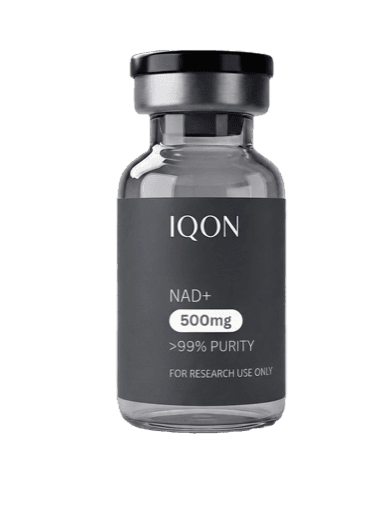
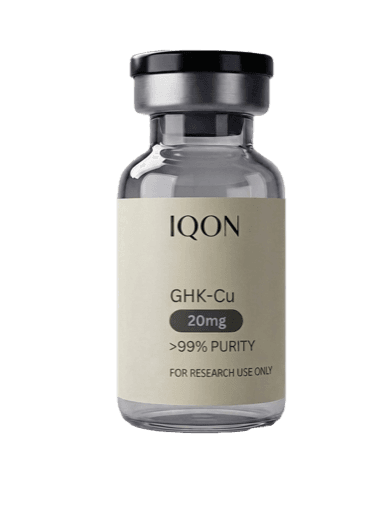
Applied automatically at checkout, no code needed
Claim my free vial →Lower priced item free; accessories excluded. For research use only.
Key facts
- Alabama's Board of Medical Examiners notice was reported on May 26, 2026 by WSFA and Reuters.
- The notice covers advising, recommending, supplying, prescribing and administering.
- Consent forms naming a product “research-grade” are called ineffective in Alabama and South Carolina.
- Mississippi's joint statement carries signatures from the executive directors of three state licensing boards, including the pharmacy board.
- These are board notices, not criminal charges. The one court action listed below is a civil case.
What changed for an Alabama practitioner?
Alabama's Board of Medical Examiners said physicians may not compound, administer or dispense non-FDA-approved or research-grade peptides to patients. Its notice also addresses recommending, supplying and prescribing them. A patient's acknowledgment of the product's research status does not relieve a professional of the duty of care, the board said. Alabama Board of Medical Examiners' notice
The notice extends the warning to delegated practice by nurse midwives, nurse practitioners and physician assistants, saying the products do not appear on their approved formularies. It distinguishes a patient independently obtaining a product from a clinician's participation. The notice was public by May 26, 2026. May 26 coverage
How does Mississippi extend the warning?
Mississippi brought three boards together on August 19: medical licensure, nursing and pharmacy. Their joint statement addresses a wider group of healthcare providers and rejects both delegation and research-grade consent paperwork as ways around professional obligations. joint statement dated August 19, 2026
It also tells providers where to look upstream. Prescription products and ingredients must come from entities permitted by Mississippi's pharmacy board; the statement points to license verification and reporting of unlicensed shippers. A lab purity certificate would not answer that licensing question.
What is distinctive about South Carolina?
South Carolina's medical board likewise says patient consent does not cure the problem. It tells practitioners to verify that prescription drugs and components come from pharmacy-board-permitted facilities and warns that buying or distributing from unpermitted sources can lead to professional discipline. medical board notice
The South Carolina PDF has no date printed on it; the American Med Spa Association reported it on August 18. That timing should not be narrowed to a day without an official dated notice. Its supply-chain requirement is distinct from an analytical report about what's in a sample.
Why is Ohio on a 2026 list if its guidance dates to 2025?
Ohio's pharmacy board guidance was updated December 8, 2025, but remains relevant to 2026 clinic purchasing. It says prescriber clinics and med spas may not order, possess or administer drugs labeled for research purposes only, even with patient consent. It calls for a distributor-license check before buying and annually thereafter. Board of Pharmacy guidance
Ohio also reports more than 30 summary suspensions of clinics and med spas since the start of 2025 for various violations. That is not a peptide-only count. Nor is the Ohio document a newly enacted 2026 peptide statute.
Are the notices, license actions and lawsuits equivalent?
Cullman County judge signs a temporary restraining order and asset freeze against a Cullman IV clinic accused of giving patients research-grade drugs. Civil case under the Deceptive Trade Practices Act; allegations, not findings.
Source →Guidance update says drugs labeled “for research purposes only” are unlawful for prescriber clinics and med spas to possess, regardless of patient consent.
Source →A physician assistant's license was suspended for distributing unapproved peptides, a board spokesperson told 1819 News.
Source →Official notice bars physicians and the mid-level providers they supervise from advising, recommending, supplying, prescribing or administering research-grade peptides.
Source →Three boards adopt near-identical language together and invite reports of unlicensed sellers shipping into the state.
Source →Notice says physicians may not use research-grade or FDA-ineligible peptides, and buying from unpermitted facilities may be disciplined as unprofessional conduct.
Source →A notice states a board's position; a suspension acts against a licensee. A separate 2025 Alabama civil complaint against Aurora IV and Wellness made allegations and led to a then-temporary order, not a final ruling on every claim; this describes that historical stage, not current case status. A reported March 2026 physician-assistant suspension is another individual action. Collapsing those records into a nationwide criminal crackdown would obscure what each authority actually did. 2025 Alabama civil suit against Aurora IV and Wellness told 1819 News
For a licensed provider the practical questions are whether a board permits the proposed patient use and whether the supplier is authorized to supply the product. A consent form addresses neither on its own. The current notice and licensing record for the relevant state matter more than a broad 'state crackdown' label.
Frequently Asked Questions
What did Alabama say about research-grade peptides?
The Alabama Board of Medical Examiners issued an official notice, reported by WSFA on May 26, 2026, saying that under no circumstances may a physician compound, administer or dispense a non-FDA approved or research-grade peptide to a patient. The ban covers advising, recommending, supplying, prescribing and administering, and extends to nurse practitioners, nurse midwives and physician assistants.
Is the Alabama notice a criminal charge?
No. It is guidance from a licensing board that states how the board reads existing law. It does not charge anyone. The board separately told 1819 News that a physician assistant's license was suspended in March 2026 for distributing unapproved peptides.
Which other states have issued similar warnings?
Mississippi's medical, nursing and pharmacy boards issued a joint statement on August 19, 2026. The American Med Spa Association reported a South Carolina Board of Medical Examiners notice on August 18, 2026; the board PDF itself is undated. Ohio's Board of Pharmacy guidance, updated December 8, 2025, says drugs labeled for research purposes only are unlawful for prescriber clinics and med spas to possess.
Can a patient consent form get around these rules?
No, according to the boards. Alabama and South Carolina call research-grade consent forms ineffective, and Mississippi says they do not mitigate or eliminate a provider's professional or legal liability.
Do these notices apply to people who buy on their own?
The Alabama, Mississippi and South Carolina notices say that when a patient independently acquires and self-administers such substances, the risk rests solely with the patient. The prohibition targets involvement by licensed medical professionals.
Related coverage
These state documents converge on patient-facing professional responsibility, while their dates, agencies and supply requirements differ. A clinic evaluating a particular transaction needs the applicable board's current text and the supplier's permit record, not a general claim that all four states passed identical laws.
Buy 1, Get 1 Free
Pick any research compound. The second one is on us.
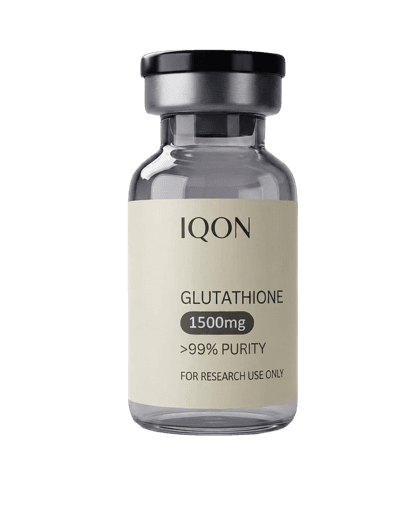
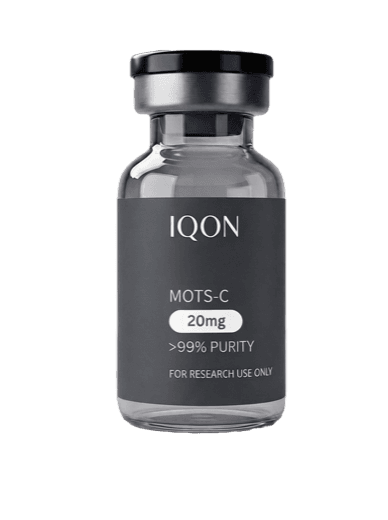
Applied automatically at checkout, no code needed
Claim my free vial →Lower priced item free; accessories excluded. For research use only.
Published September 25, 2026. For information only, not medical or legal advice. Board notices describe regulators' positions and are not court rulings. Research products are not for human consumption.