On April 30, 2026, the FDA proposed removing semaglutide, tirzepatide, and liraglutide from the 503B bulks list, the register that governs which compounds licensed outsourcing facilities may use in large-scale compounding.[1][2] If finalized, the rule would permanently eliminate any legal pathway for 503B outsourcing facilities to compound these drugs from bulk substances, even if a future shortage were declared.[1] FDA Commissioner Marty Makary stated directly: "When FDA-approved drugs are available, outsourcing facilities cannot lawfully compound using bulk drug substances unless there is a clear clinical need."[1]
Buy 1, Get 1 Free
Pick any research compound. The second one is on us.
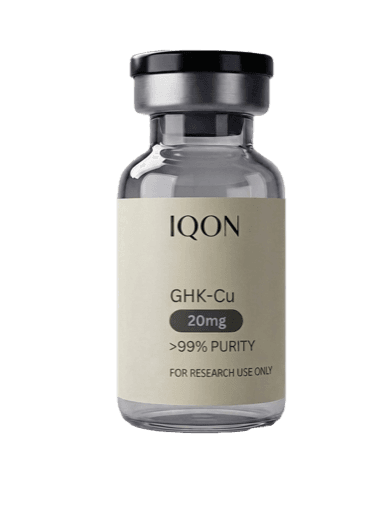
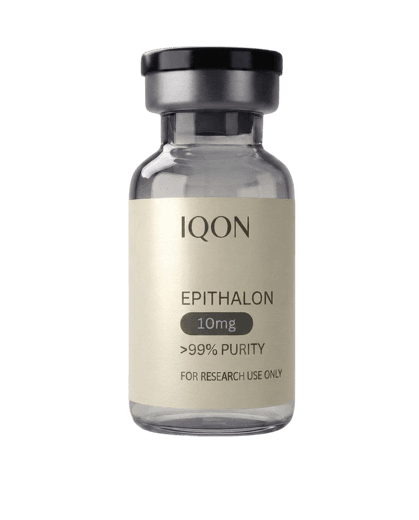
Applied automatically at checkout, no code needed
Claim my free vial →Lower priced item free; accessories excluded. For research use only.
This article covers regulatory actions affecting licensed pharmaceutical compounders. IQON Labs products are separate research use only catalog items unaffected by 503B pharmaceutical compounding rules.
What the 503B bulks list is and why it matters
Section 503B of the Federal Food, Drug, and Cosmetic Act creates a legal pathway for licensed outsourcing facilities . These are large-scale pharmaceutical compounders that can produce drugs from bulk ingredients under two conditions: the bulk substance appears on the 503B bulks list, or the finished drug is on FDA's shortage list at the time of compounding and distribution.[2][3] These outsourcing facilities operate under pharmaceutical-grade current good manufacturing practices, unlike smaller 503A state-licensed pharmacies.[3]
For the past several years, semaglutide and tirzepatide qualified under the shortage-list condition. Both drugs were in declared shortage, which let outsourcing facilities legally produce large volumes for distribution. When FDA resolved the semaglutide shortage in February 2025 and the tirzepatide shortage in October 2024, the shortage-list basis expired.[3] The proposed rule would remove the final theoretical route back: even if a new shortage were declared, these drugs could not return to the list.[1][2]
The FDA says it evaluated nominations for all three compounds and "did not identify sufficient evidence" for clinical need under the 503B framework.[1] The public comment period ran through June 29, 2026, and the final rule has not been issued as of this report.[1][2]
How this differs from the RUO warning letters
The August 24, 2026 warning letters FDA sent to online peptide sellers: Peptide Partners LLC, Royal Peptides LLC, and others targeted unregistered online sellers marketing unapproved drugs under a "research use only" label.[4] Those companies are not licensed pharmaceutical compounders. They operated outside the 503A and 503B frameworks entirely.
The 503B proposed rule targets a different category: licensed outsourcing facilities that hold FDA registration and already operate under CGMP rules. These are not gray-market vendors but regulated pharmaceutical manufacturers with proper licensing.[2][3] The enforcement logic is also different. The August letters used website marketing copy as evidence of intended human use. The 503B rule uses a regulatory determination (no clinical need) to foreclose the pathway regardless of marketing or intent.[1][2]
Both actions restrict access to GLP-1 compounds outside the approved drug supply chain, but through entirely separate legal mechanisms targeting distinct actors.
The enforcement timeline that preceded the rule
FDA's February 6, 2026 statement from Commissioner Makary announced intent to restrict GLP-1 active pharmaceutical ingredients going to non-approved compounded products, citing Hims & Hers and unnamed compounding pharmacies by name.[3] The same day, HHS General Counsel referred Hims & Hers to the Department of Justice for investigation.[3] Within 48 hours, Hims pulled its compounded oral semaglutide product from the market.[3]
The prior legal defeats for large-scale compounders set the stage for this rule. The Outsourcing Facilities Association challenged FDA's shortage-resolved determination in federal court twice: Judge Mark Pittman denied the preliminary injunction for tirzepatide on March 5, 2025, and again for semaglutide on April 24, 2025.[3] Both rulings accepted FDA's administrative record and closed the practical litigation path for 503B compounding of these drugs.[3]
FDA also placed GLP-1 active pharmaceutical ingredients on Import Alert 66-80, allowing their refusal at U.S. ports of entry based on CGMP concerns for API manufacturers.[4] The import alert adds a supply-chain enforcement layer on top of the proposed compounding rule.
What the rule does not close
The 503B proposed rule does not affect 503A compounding. Under Section 503A, a state-licensed pharmacy may still compound a medication for an individual patient with a valid prescription when there is documented medical necessity the FDA-approved product cannot meet: a documented allergy to an inactive ingredient in Wegovy or Ozempic, or a clinically required dosage form.[2][3] This pathway remains open and is specifically excluded from FDA's enforcement target.
FDA clarified this distinction in an April 1, 2026 communication: the agency "did not signal a blanket prohibition on lawful, patient-specific compounding by state-licensed pharmacies."[2] The enforcement focus is large-scale production and distribution without patient-specific prescriptions, not individualized patient-specific compounding with documented need.[2]
Patients who were using compounded GLP-1 products remain eligible for FDA-approved branded versions. Novo Nordisk and Eli Lilly have expanded capacity since the shortage periods, and self-pay prices for tirzepatide and semaglutide have declined from their 2023 peaks.[3]
A proposed rule is not a final rule
The April 30 Federal Register notice opened a public comment period that closed June 29, 2026.[1][2] FDA must review those comments before issuing a final rule. A final rule would carry the same legal force as a statute. Until then, the proposed exclusion is a policy statement, not enforceable law.
The proposed rule would not prevent FDA from using other enforcement tools in the interim. Seizure and injunction remain available to the agency under existing authority against anyone manufacturing, distributing, or marketing unapproved compounded GLP-1 products that violate the FD&C Act, as the February statement explicitly warned.[1][3] The proposed rule is a separate, permanent, structural change layered on top of ongoing enforcement actions.
Frequently asked questions
Does the proposed rule affect small compounding pharmacies that make individual prescriptions?
No. The rule targets 503B outsourcing facilities, which are large-scale manufacturers. Patient-specific compounding under 503A by state-licensed pharmacies with a valid prescription and documented medical need is not covered by this rule and remains legal when those conditions are met.
What happens if there is a future shortage of semaglutide or tirzepatide?
If the rule is finalized, a future shortage would not reopen the 503B compounding pathway for these drugs. That is precisely the structural change FDA says it is seeking: to permanently remove these compounds from the bulk-compounding system rather than leaving the shortage pathway available as a theoretical route back.
When will the final rule be published?
FDA has not announced a timeline for the final rule. The comment period closed June 29, 2026. FDA must review submitted comments before finalizing. As of this report, no final rule has been published.
What was the Hims & Hers DOJ referral?
On February 6, 2026, the same day Commissioner Makary issued the enforcement statement, the HHS General Counsel referred Hims & Hers to the Department of Justice for investigation related to its compounded oral semaglutide product, which the company had launched the day before. Hims pulled the product within 48 hours. A referral signals potential criminal investigation; it is not a charge or conviction.
Sources and further reading
Related reading
Buy 1, Get 1 Free
Pick any research compound. The second one is on us.
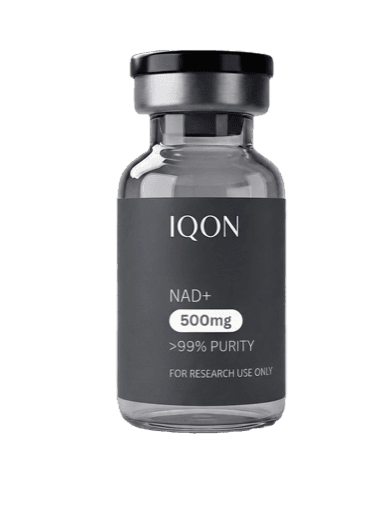
Applied automatically at checkout, no code needed
Claim my free vial →Lower priced item free; accessories excluded. For research use only.